Subverse Screenshots

Subverse review
Exploring the gameplay mechanics, development, and reception of Studio FOW’s ambitious sci-fi hybrid
Subverse represents a unique entry in the gaming landscape as a tactical role-playing shoot ’em up hybrid that combines storytelling, combat mechanics, and adult content. Developed by FOW Interactive and published by Streembit Ltd, this sci-fi game launched on Steam in early access in 2021 and reached full release in November 2024. The game garnered significant attention as one of the most successful Kickstarter projects, raising over £1.6 million within its first month. Beyond its distinctive content approach, Subverse offers players a blend of visual novel-style narrative, grid-based tactical combat, and space shooter sequences set in the fictional Prodigium Galaxy. Understanding what makes this game notable requires examining its gameplay systems, narrative framework, and the development journey that brought this ambitious project to completion.
Gameplay Mechanics and Combat Systems
Let’s be honest, when you first heard about Studio FOW’s Subverse, the “adult” label probably stole the show. 😏 But after spending countless hours commanding my ragtag crew across the galaxy, I can tell you the real surprise isn’t the premise—it’s how genuinely engaging the gameplay is. This isn’t a one-trick pony; it’s a legitimately ambitious tactical RPG hybrid gameplay experience that demands skill, strategy, and a good trigger finger. Forget what you think you know; we’re diving deep into the three core pillars that make playing this game so unexpectedly compelling.
Tactical Grid Combat and Strategic Elements
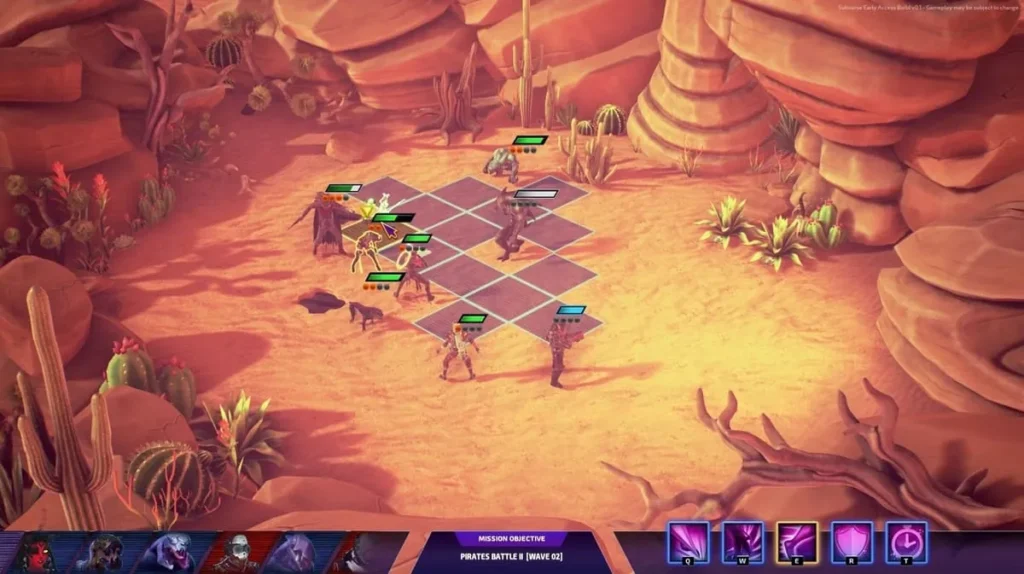
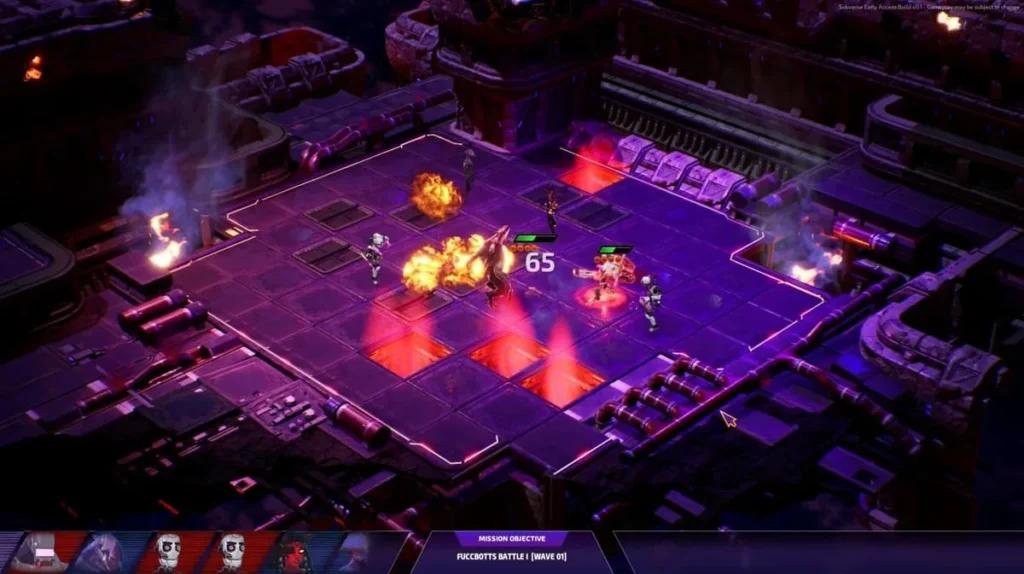
This is where Subverse truly flexes its strategic muscles. When you touch down on a planet for a ground mission, the perspective shifts to an isometric grid. This isn’t a slow, chess-like crawl. Instead, Studio FOW injects a shot of adrenaline into the classic formula, creating a uniquely fast-paced tactical RPG hybrid gameplay loop.
You command a small squad, typically led by the fierce Captain Hale and two of his unique crew members, each occupying a square on the grid-based RPG gameplay map. The goal is straightforward: eliminate all hostile forces. The challenge? Enemy reinforcements pour in relentlessly at the end of every turn. This reinforcement system completely changes your approach. You can’t just hunker down and pick enemies off slowly. Hesitation is punished. You need to push forward aggressively, controlling choke points and eliminating key targets before their buddies swarm the field.
The key to victory isn’t just positioning; it’s attack tempo. Moving and acting in the right order to maximize your damage output before the next wave hits is the difference between a three-star rating and a frustrating restart.
This pressure creates what I can only describe as arcade-style combat within a tactical shell. Turns feel snappy, decisions need to be quick, and the action is constant. It’s a brilliant twist that had me, a veteran of slower-paced tactics games, completely re-evaluating my usual “overwatch and wait” strategies. Each crew member you bring radically alters your tactical options. For instance, Lily, the sharp-witched hacker, can deploy damaging drones to control areas. Meanwhile, DEMI, the combat android, is a frontline powerhouse who can unleash devastating area-of-effect slams.
To give you a clearer picture of how Subverse’s different combat styles work together, here’s a breakdown:
| Combat System | Core Mechanics | Pacing & Feel | Key Strategic Element |
|---|---|---|---|
| Grid Combat | Turn-based movement on isometric grid, action points, enemy wave reinforcements. | Fast-paced tactical. Quick turns under constant pressure. | Managing attack tempo and positioning to control reinforcement spawns. |
| Vertical Shmup | Ship moves vertically; focus on dodging bullet patterns, collecting power-ups. | Classic arcade intensity. Pure reflex and pattern memorization. | Resource management (shields, bombs) and optimal power-up collection. |
| Side-Scrolling Shmup | Ship moves horizontally; utilizes strafing for aimed shots and environmental cover. | Methodical and positioning-based. More controlled than vertical sections. | Using asteroid cover effectively and strafing to hit specific enemy weak points. |
This Subverse tactical combat system is deceptively deep. It respects your intelligence as a player, offering a genuine challenge that makes the rewards feel earned. It’s the solid, strategic heart of the entire tactical RPG hybrid gameplay promise.
Space Shooter Sections and Flight Mechanics
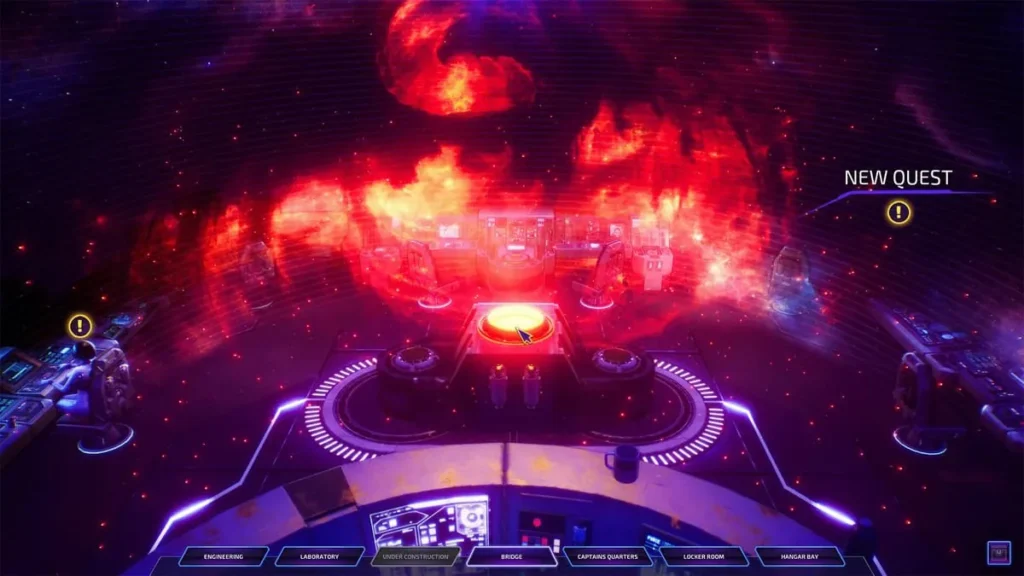
Just when you’ve mastered the grid, Subverse yanks you into the cockpit of your ship, the Mary Celeste. 🚀 This is where the game pays homage to classic arcade shoot-’em-ups, or “shmups,” and it’s far more than a simple mini-game. The space shooter mechanics are a fully-fledged, thrilling pillar of the experience, broken into two distinct flavors.
First, you have the classic shmup vertical scrolling missions. Your ship auto-advances up the screen as waves of enemy fighters and capital ships fill the space with lasers and plasma. It’s a beautiful chaos of dodging, weaving, and unleashing hell with your primary weapons and limited-use special abilities. Each crew member you assign as a gunner changes your ship’s special attack, so choosing between, say, Lily’s widespread pulse or DEMI’s focused laser beam becomes a strategic decision before you even launch.
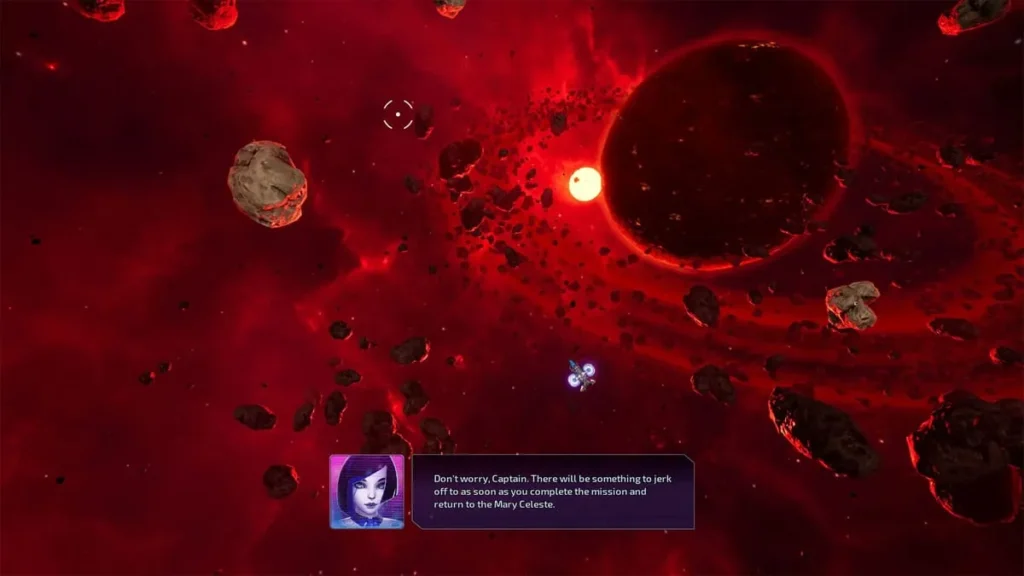
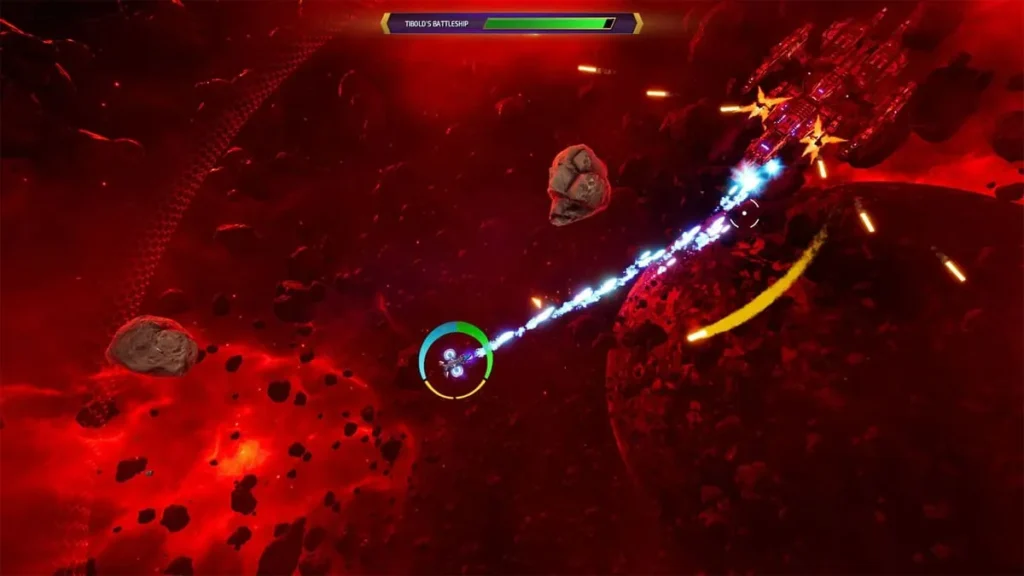
The second, and in my opinion more innovative, style is the side-scrolling shooter. Here, you have full lateral control, and this is where the game’s space shooter mechanics get really interesting. You can strafe by holding the aim button, allowing you to precisely target specific enemy components or shields without changing your ship’s facing. This adds a huge layer of tactical depth. Furthermore, you can use asteroids as environmental cover, ducking behind them to avoid torrents of fire or to line up a perfect shot.
I remember one particular asteroid field battle where I was badly outgunned. Instead of trying to brute-force my way through, I spent minutes using a giant asteroid as a shield, peeking out to strafe the engines of a larger frigate while its missiles harmlessly cratered the rock. It was an epic, emergent moment that felt more like a naval duel than a traditional shmup. These sections masterfully blend the twitch reflexes of arcade classics with a sprinkle of tactical positioning, ensuring the arcade-style combat in space is just as engaging as the combat on the ground.
Progression Systems and Reward Structure
So, you’re deftly managing Subverse tactical combat on the ground and nailing tricky shmup vertical scrolling sections in space. What’s it all for? This is where the Subverse progression system seamlessly ties everything together, creating a wonderfully addictive loop of play, earn, and upgrade. 🏆
Performance is everything. In every mission—whether grid-based or shooter—you’re graded on a three-star system based on your efficiency, damage taken, and speed. These stars are your primary currency. They feed directly into the Pandora system, the game’s central unlock hub. It’s a brilliant, transparent loop: play well, earn stars, unlock new scenes and interactions with your crew. The developers have been clear about this balance: the gameplay isn’t an obstacle to the content; it’s the pathway. You are rewarded for engaging with and mastering the tactical RPG hybrid gameplay.
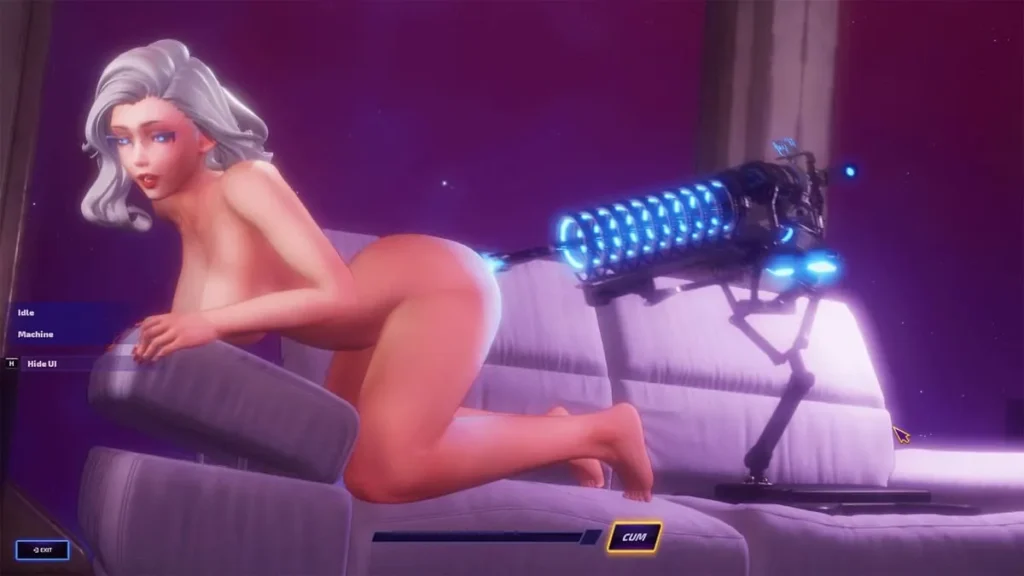
But it goes deeper. Your crew members themselves are your most vital assets, serving a dual role. In combat, each is a unique warrior with her own skill tree, unlockable abilities, and fighting style. Level them up by using them in your squad, and they become more powerful on the grid-based RPG gameplay maps. At the same time, deepening your relationship with them through unlocks and story is central to the narrative and, yes, the adult content.
Your ship, the Mary Celeste, also improves independently. You collect data from missions and exploration to research upgrades for its hull, weapons, and subsystems, making those tough space shooter mechanics a little more manageable. It’s a satisfying meta-layer of progression that makes you feel like you’re truly building your capability as a captain.
Here are the key progression milestones you’ll work towards:
- Earning Your First Stars: Unlocks initial scenes in Pandora, introducing the reward structure. Focus on completing any mission successfully.
- Crew Member Level 5: Unlocks a character’s second special ability in combat, significantly changing their tactical role on the grid-based RPG gameplay field.
- Ship Tier 2 Upgrades: Major boosts to firepower or durability in shooter sections, allowing you to tackle harder difficulty space shooter mechanics.
- Three-Starring a Planet: Completing all missions on a planet with full marks often unlocks special cinematic scenes or unique rewards.
- Maxing a Relationship: Reaching the highest bond level with a crew member unlocks their full story arc and all associated content, representing the culmination of both combat partnership and narrative investment.
This interconnected Subverse progression system is the glue that binds the entire experience. It respects your time and skill, directly linking your mastery of the Subverse tactical combat and your prowess in the arcade-style combat of the shmup sections to meaningful growth and rewards. You’re not just playing disconnected mini-games; you’re piloting a holistic journey where every laser blast and tactical decision moves your entire adventure forward. It’s an ambitious design that, for all the headlines its adult nature generates, proves Studio FOW was deadly serious about creating a hybrid game that stands on its own mechanical merits.
Subverse stands as a distinctive entry in gaming that successfully combines multiple gameplay systems—tactical grid combat, space shooter mechanics, and visual novel storytelling—into a cohesive experience. From its remarkable Kickstarter success raising over £1.6 million to its full release in November 2024, the game represents a significant investment in blending arcade-style action with narrative progression. The gameplay loop of earning points through combat to unlock content creates a progression system that ties gameplay achievement directly to player rewards. With over 239 unlockable scenes, diverse crew members with unique combat abilities, and multiple gameplay systems to master, Subverse offers substantial content for players interested in its particular blend of tactical RPG mechanics and adult-oriented storytelling. Whether evaluating the game’s combat depth, narrative structure, or content systems, Subverse demonstrates that adult-focused games can incorporate legitimate gameplay mechanics and development ambition. For those considering the game, understanding these core systems—from the three distinct combat approaches to the progression mechanics—provides essential context for what the experience entails beyond its most distinctive features.