
Imperium Bureaucracy Hero
Play Imperium Bureaucracy Hero
Imperium Bureaucracy Hero Screenshots





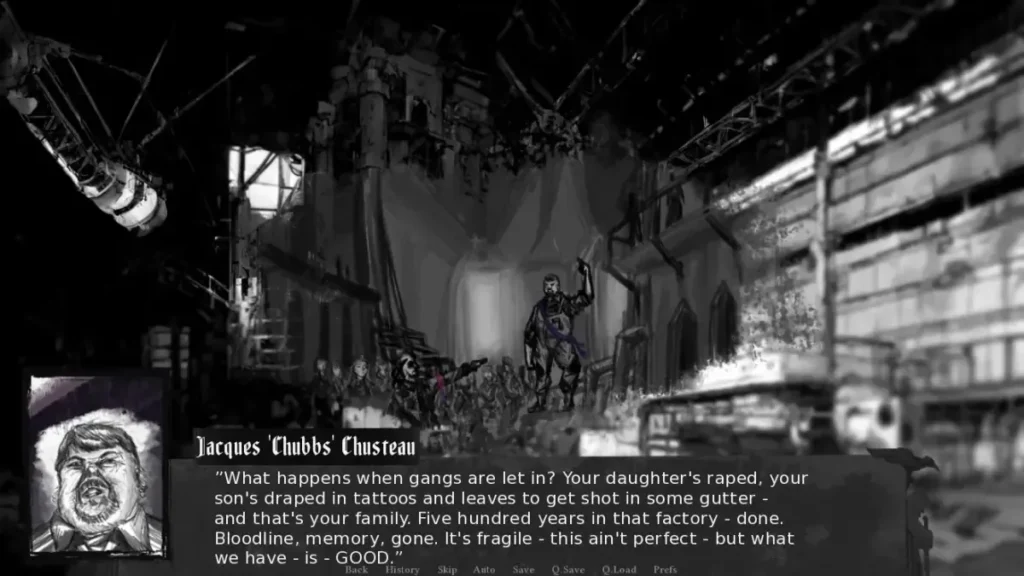
Imperium Bureaucracy Hero review
Exploring gameplay mechanics, narrative depth, and what makes this title unique
Imperium Bureaucracy Hero stands out as a narrative-driven interactive experience that challenges players to navigate complex moral decisions within a richly detailed world. The game draws inspiration from established science fiction universes while crafting its own compelling story about power, responsibility, and the consequences of administrative choices. Players step into a role where every decision carries weight, from managing resources to handling delicate interpersonal situations. This guide explores what makes Imperium Bureaucracy Hero a distinctive gaming experience, examining its core mechanics, storytelling approach, character development system, and the unique blend of strategy and narrative that defines the gameplay.
Understanding Imperium Bureaucracy Hero’s Core Gameplay and Mechanics
Ever found yourself in a job where the real challenge isn’t the work itself, but the mountain of forms, office politics, and impossible deadlines standing between you and getting it done? 🫣 That exact feeling—the absurd, frustrating, and darkly humorous reality of institutional inertia—is the beating heart of Imperium Bureaucracy Hero. Forget laser swords and starfighters; your most powerful weapon here is a rubber stamp, and your battlefield is a desk buried in data-slates.
This isn’t your typical space opera power fantasy. Instead, it’s a masterful bureaucratic management game wrapped in a narrative-driven interactive experience that had me hooked from my first failed requisition form. You don’t play as a hero in the traditional sense. You are a mid-level functionary, a cog in the vast, decaying machine of a galactic empire. Your mission? To keep your department, Sector 7-G, from imploding through a meticulous blend of triage, negotiation, and strategic paperwork. The core Imperium Bureaucracy Hero gameplay loop is a tense, rewarding puzzle of allocating limited resources, managing competing priorities, and navigating a labyrinth of rules—all while a rich story of intrigue and moral compromise unfolds through your inbox.
### What Is Imperium Bureaucracy Hero and How Does It Play?
At its simplest, you could describe the Imperium Bureaucracy Hero gameplay as “email management with stakes.” But that would be like describing chess as moving pieces around a board—technically true, but utterly missing the point. 🎮 Your interface is your terminal, presenting you with a relentless flow of requests, complaints, directives, and reports. Each item is a small narrative vignette with a problem to solve.
Do you approve the extra rations for the freezing garrison on Outpost Kappa, knowing it will blow your logistics budget? Or do you deny it to save resources for the crumbling sanitation system on Deck 12, risking a morale collapse? There is no “combat” in the traditional sense, but I’ve never felt more tension than when deciding which of five critical fires to try and put out, each with its own vocal advocate in the office.
The brilliance lies in how these seemingly dry tasks are woven into a compelling interactive fiction storytelling framework. Every form you stamp, every query you ignore, and every report you file changes the state of your sector. You’ll track key metrics like Imperial Favor, Sector Stability, and Departmental Efficiency, but these aren’t abstract numbers. They are direct reflections of the stories you’re shaping. Let a mining colony’s safety violations slide to meet a production quota, and you might see Stability dip as worker discontent grows, followed by a tragic “incident report” in your queue a few days later.
Pro Tip from a Veteran Paper-Pusher: Your first playthrough will be messy. Embrace it. The magic of this narrative-driven interactive experience is discovering how interconnected every decision is. That minor favor you did for the Logistics Officer in Week 2 might be the very leverage you need to bypass a crippling audit in Week 8.
The gameplay is a constant, engaging balance of short-term crisis management and long-term strategic planning. You’re not just reacting; you’re building a legacy, one meticulously filed form at a time.
### Decision-Making Systems and Consequence Management
This is where Imperium Bureaucracy Hero truly shines as a decision-making mechanics game. Choices are rarely between obvious “good” and “evil” options. Instead, you’re almost always picking the least bad solution from a menu of flawed compromises. The game excels at presenting moral choice consequences that are systemic, delayed, and deeply nuanced.
Let me give you a real example from my first campaign. I received a frantic request from a field agent, code-named Veridia. She needed immediate authorization for an “unconventional asset” (a shady informant) to uncover a potential rebel cell. The proper channel would take weeks. The “fast” option required me to forge a superior’s signature, breaking about seven Imperial protocols.
- Choice A (The Rulebook): Deny the fast-track. Process it properly. Consequence: The rebel cell had time to move. A subsequent terrorist attack on a fuel depot was blamed on intelligence failure. My department’s standing plummeted.
- Choice B (The Pragmatist): Approve the forgery. Consequence: We captured the cell. However, the “asset” was later revealed to be a serial offender. My forgery was discovered, not as an act of treason, but as a “procedural anomaly,” and the Logistics Officer who owed me a favor called it in to bury the investigation—binding me to her future requests.
- Choice C (The Micromanager): I spent my limited personal action points to research the asset myself, delaying other projects. Consequence: I discovered the asset’s record was falsified by a rival department to make me fail. I approved the request with a special caveat, avoiding the forgery. This saved my skin but consumed so much time that a critical infrastructure repair in another district was neglected.
See what I mean? 😮💨 There was no “win.” Every path had cascading moral choice consequences. The game doesn’t judge you with a morality meter; it judges you with the living, breathing (and sometimes exploding) world it simulates. Your decisions branch the narrative in subtle and dramatic ways, locking and unlocking future story arcs, changing which characters trust you, and ultimately determining what kind of bureaucrat—and what kind of person—you become in this oppressive system.
This decision-making mechanics game approach means your playthrough is uniquely yours. The narrative-driven interactive experience is built on a foundation of cause and effect that feels genuinely consequential, not just cosmetic.
### Character Interactions and Relationship Dynamics
You are not alone in your cubicle. The soul of this interactive fiction storytelling masterpiece is its brilliant character relationship system. Sector 7-G is populated with a diverse cast of officers, assistants, and officials, each with their own personalities, ambitions, and secrets. These aren’t quest givers; they are colleagues, rivals, and sometimes, friends. Your interactions with them are the primary vessel for the narrative.
The system works through layered dialogue choices and, crucially, through your official actions. How you handle a request from someone is just as important as how you handle a request that affects someone. Favor the ambitious Naval Liaison over the dour Chief of Security, and you’ll see the relationship meters shift. The Security Chief might become obstructive, while the Liaison becomes more supportive, offering you unique perks like faster naval deployments.
Here are the key character types you’ll masterfully manipulate (or be manipulated by):
| Character Type | Their Role & Leverage | What They Want From You |
|---|---|---|
| The Idealist (e.g., a junior analyst) | Provides early warnings of moral or practical disasters. Has low authority but high access to raw data. | For you to “do the right thing,” often at the cost of efficiency or protocol. They can become a loyal ally or a disillusioned whistleblower. |
| The Careerist (e.g., your direct superior) | Controls your performance reviews and resource allocations. Their favor is currency. | Results that make them look good. They value clean metrics and avoided scandals over ethical purity. |
| The Old Guard (e.g., a veteran department head) | Possesses immense institutional knowledge and hidden contacts. They know where the bodies are buried. | Respect for tradition and procedure. They can be a roadblock or a invaluable guide through bureaucratic traps. |
| The Outside Agent (e.g., a merchant guild rep) | Offers resources outside official channels—extra supplies, black market info, “gifts.” | Flexible interpretations of regulations, contracts tilted in their favor. A dangerous but sometimes necessary friend. |
🤝 Managing this character relationship system is a game in itself. You must build coalitions to push major initiatives forward. I once needed to requisition a vital water recycler from a notoriously stubborn quartermaster. By checking my relationships, I saw that the quartermaster despised the Naval Liaison but played regular strategy games with the Old Guard historian. I had the historian casually mention the request over a game, framing it as a historical necessity for the sector’s archives. The recycler was approved the next day. This kind of emergent, personality-driven gameplay is endlessly rewarding.
Forget simple “like/dislike” meters. Relationships are multidimensional, tracking trust, respect, debt, and fear. A character may respect your efficiency but distrust your motives, leading to complex interactions. The moral choice consequences of betraying a character’s trust for the “greater good” can haunt you for the entire campaign, as allies turn into passive-aggressive obstacles or even active saboteurs.
Ultimately, Imperium Bureaucracy Hero stands as a unique titan in the landscape of narrative games. It proves that high stakes and profound drama can exist in the shuffle of paperwork and the nuances of office politics. Its Imperium Bureaucracy Hero gameplay offers a deeply strategic and intellectually stimulating challenge, while its narrative-driven interactive experience delivers a story with remarkable emotional weight and replayability. It’s a bureaucratic management game that is as much about understanding people as it is about understanding rules, and a decision-making mechanics game that will have you pondering your choices long after you’ve powered down your terminal. This is interactive storytelling at its most inventive and human, even when the humans are buried under a galactic empire’s worth of red tape.
Imperium Bureaucracy Hero delivers a compelling experience that merges strategic decision-making with intimate character storytelling. The game’s strength lies in its refusal to provide easy answers, instead presenting players with genuinely difficult choices that reflect the complexities of leadership and responsibility. By combining bureaucratic management with meaningful character relationships, the game creates a space where every action feels consequential. Whether you’re drawn to narrative-driven experiences, strategic gameplay, or exploring morally ambiguous scenarios, Imperium Bureaucracy Hero offers a distinctive adventure that rewards thoughtful play and multiple playthroughs. The game demonstrates how interactive fiction can engage players on both intellectual and emotional levels, making it a worthwhile experience for those seeking something beyond traditional gaming formats.