
The Theater of Sinners
Play The Theater of Sinners
The Theater of Sinners Screenshots
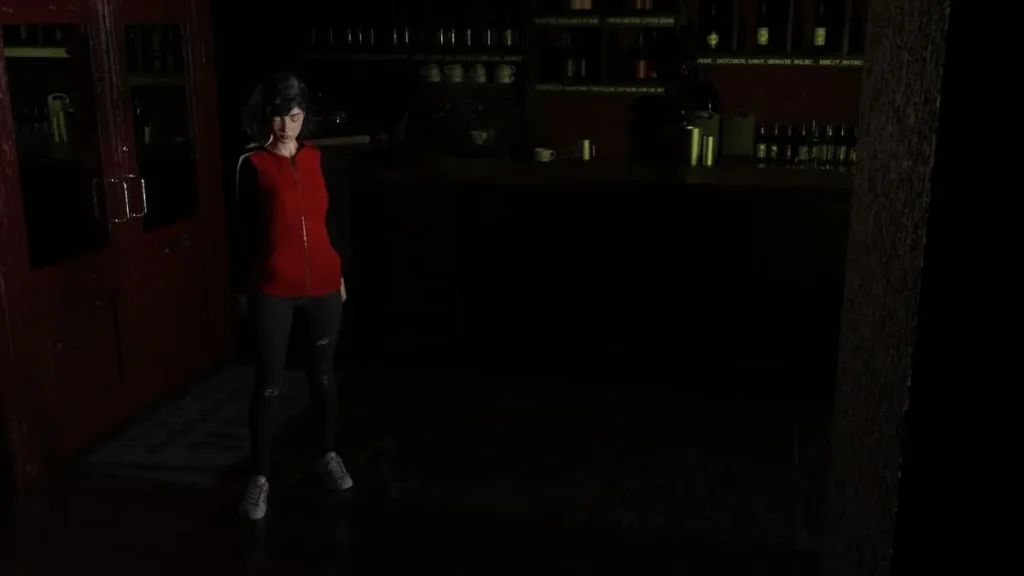
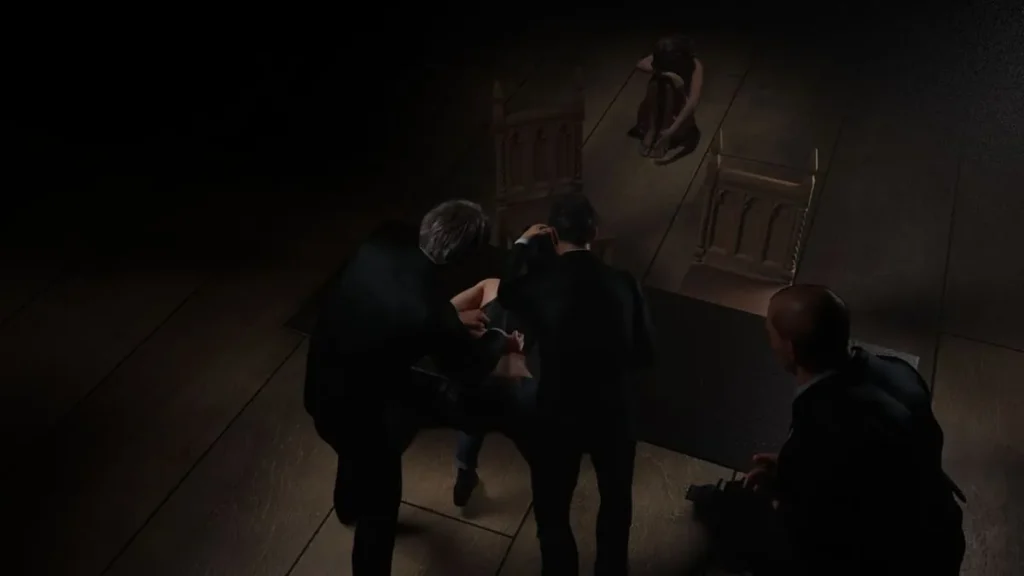
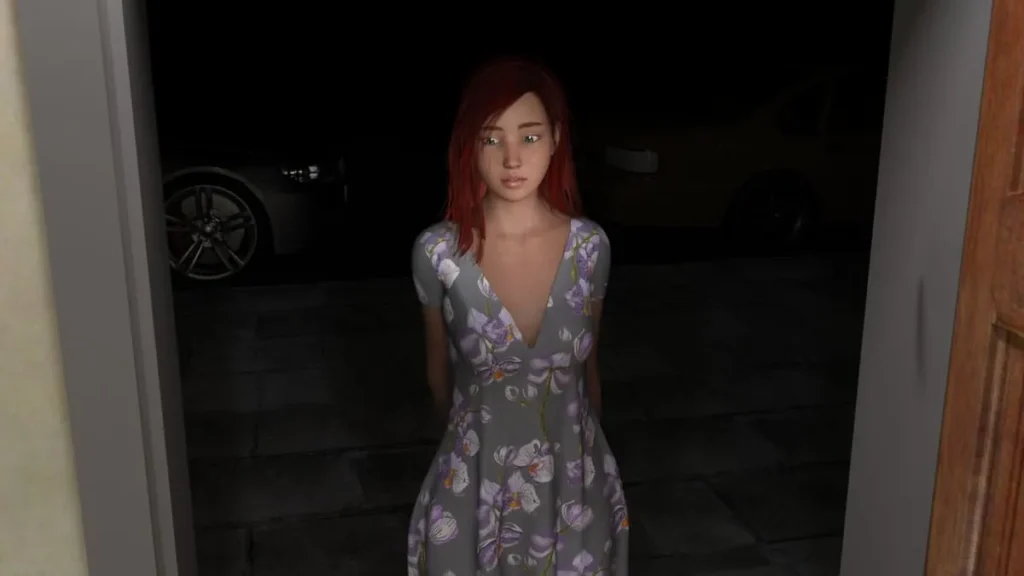



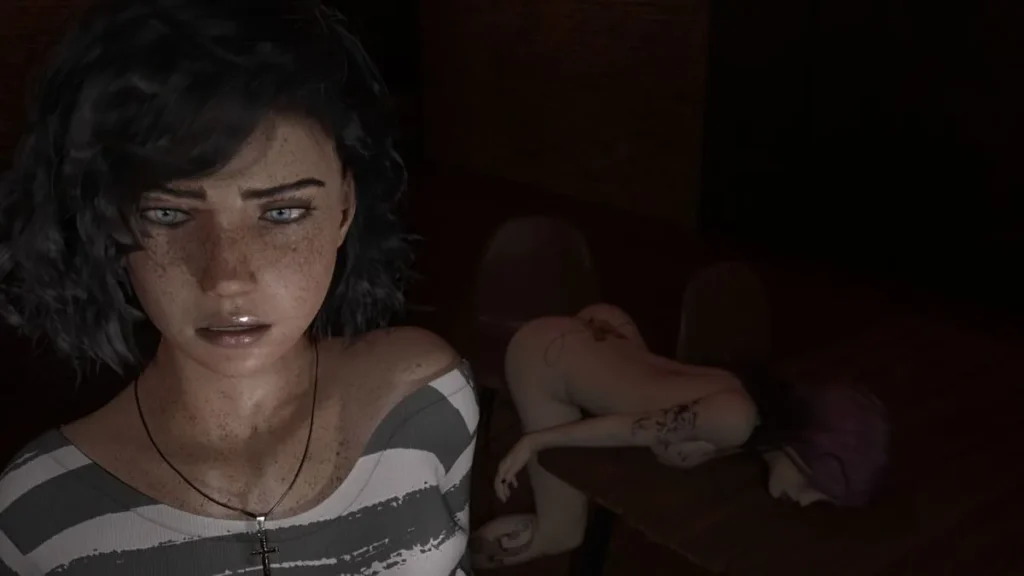








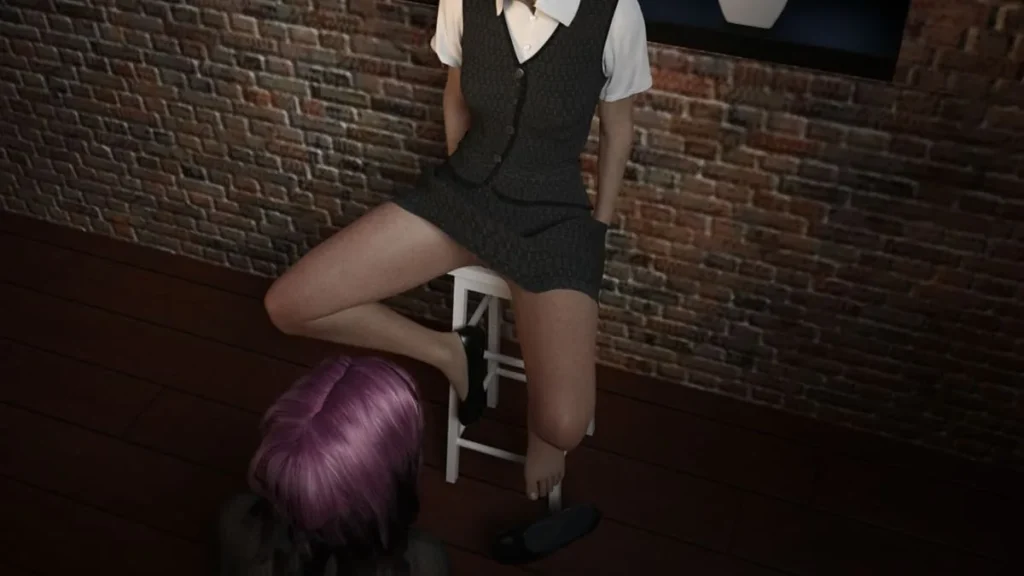

The Theater of Sinners review
Dive into humiliation, corruption, and twisted choices in this gripping Ren’Py game
Imagine stumbling into a shadowy theater where every curtain hides a sin, and your choices script the darkest fantasies. That’s The Theater of Sinners, the Ren’Py visual novel by JustXThings that’s captivating players with its raw tale of humiliation, corruption, and blurred morals. Version 0.3 Alpha 1 thrusts you into the lives of protagonists like Paula and Rebecca, navigating abuse, BDSM dynamics, and psychological horror. I first loaded it up late one night, expecting quick thrills, but hours later, I was hooked on the branching paths and realistic character struggles. This guide unpacks everything from Theater of Sinners narrative to gameplay tips, helping you master this twisted experience.
What Makes The Theater of Sinners Uniquely Addictive?
I remember scrolling through itch.io late one night, looking for something… different. Something that wouldn’t just entertain me, but would grip me. That’s when I found The Theater of Sinners. 🕯️ I downloaded it on a whim, expecting maybe an hour of dark curiosity. Instead, I lost an entire weekend. This wasn’t just another visual novel; it was a plunge into moral quicksand, where every choice felt heavy and every character’s pain was palpably real. I got utterly lost in its gray areas, and that’s precisely its power. If you’re wondering what is The Theater of Sinners, it’s a decision-driven Ren’Py game that masterfully explores themes of humiliation, corruption, and brutal survival through interwoven stories of broken people.
At its core, The Theater of Sinners game asks a relentless question: how do you hold onto yourself when the world is determined to break you down? It doesn’t offer heroes or clear redemption arcs. Instead, it presents four protagonists, most notably Paula and Rebecca, whose lives are defined by systemic abuse and their desperate, often disturbing, attempts to reclaim some sliver of power or escape. The Theater of Sinners storyline is non-linear, weaving present-day struggles with haunting flashbacks, building a tapestry of cause and effect that feels devastatingly authentic. This guide is for those ready to dive into that darkness and discover what makes this experience uniquely compelling.
Who Are Paula and Rebecca in The Theater of Sinners Storyline?
To understand the soul-crushing weight of this world, you must first meet its central figures. They aren’t just avatars for your clicks; they are meticulously crafted tragedies.
Paula is a young woman born into privilege as the daughter of a powerful, influential figure. But that privilege is a gilded cage. At school, she becomes the target of relentless bullies—delinquents who see her status as a challenge to defile. The Paula Theater of Sinners arc is a brutal study in corruption. It’s not about a sudden fall from grace, but a slow, coerced deviance. The bullies systematically strip away her dignity, pushing her into acts of humiliation that she initially resists but may eventually, horrifyingly, internalize. Her path is a question of whether a person can be psychologically dismantled and rebuilt into something else entirely.
On the other side of the tracks is Rebecca. Her story is one of raw, domestic horror. Raised by a neglectful addict mother and a cruel, abusive stepfather, her childhood was a masterclass in survival. The Rebecca Theater of Sinners narrative explores the terrifying concept of becoming what you hate. To survive her environment, Rebecca hardens. She adopts behaviors and attitudes that mirror the abuse she endured, creating a vicious cycle. Her struggle is internal—a battle between the wounded child she was and the hardened, often cruel survivor she has become.
Together, Paula and Rebecca represent two sides of the same coin of trauma: one corrupted from a place of perceived safety, the other forged in the fires of outright brutality. Their stories, along with the other protagonists, interlace to paint a comprehensive picture of a world where abuse is a currency and power dynamics are everything.
How Do Choices Shape the Harsh World of The Theater of Sinners Game?
This is where The Theater of Sinners transforms from a story you read into a psychological labyrinth you navigate. The Theater of Sinners Ren’Py framework is used brilliantly to create a truly interactive descent. Your choices aren’t between “good” and “evil,” but between varying shades of compromise, resistance, and surrender.
The game features a stat-raising and relationship system that directly branches the narrative. Will you encourage Paula to resist her bullies, raising her “Will” stat but risking immediate, escalating punishment? Or will you choose compliance, increasing her “Corruption” and unlocking different, darker paths that might offer a twisted form of safety or even pleasure? Every dialogue option, every decision to engage in or avoid an event, sends ripples through the story.
Actionable Advice: Don’t rush through dialogue. The game often hides crucial character motivations and foreshadowing in seemingly casual lines. Also, for your first playthrough, try to complete events in a stat-raising order. Focus on building one or two key attributes for a character to see where a dedicated path leads, rather than making scattered choices that might lead to an abrupt, unsatisfying ending.
Let me tell you a story from my playthrough. Early in Rebecca’s story, I had the option to silently endure her stepfather’s verbal abuse or to talk back. Wanting to “protect” her dignity, I chose defiance. It felt like the right, heroic choice. The game didn’t punish me with a game-over screen. Instead, it showed me the consequence: a later, private scene where her stepfather’s retaliation was far more physically and psychologically vicious than the original insult. The game had taught me a terrible lesson about the real cost of pride in an asymmetrical power dynamic. My choice didn’t lead to a “bad ending”—it led to a harsh reality, which is far more impactful.
The game’s mechanics support a wide array of dark themes and kinks, which are integral to the themes of power, corruption, and loss of control. These aren’t gratuitous; they are the instruments of the characters’ turmoil.
| Theme / Kink | Role in the Narrative |
|---|---|
| BDSM & Power Exchange | Explores consensual and non-consensual dynamics, questioning where agency begins and ends. |
| Corruption & Deviance | The core arc for characters like Paula, tracking the erosion of their original morals. |
| Humiliation & Voyeurism | Used as tools for bullying and control, highlighting the violation of privacy and self. |
| Forced Encounters | Portrays the stark reality of coercion and the absence of choice. |
| Psychological Manipulation | The most frequent “weapon” used by antagonists, more damaging than physical force. |
Why Does The Theater of Sinners Deliver Such Realistic Psychological Depth?
Many games tackle dark themes, but few make you feel the grime and despair lingering in the air. The Theater of Sinners achieves this through an unflinching commitment to character-driven realism and moral ambiguity. There’s no soundtrack of epic music to tell you how to feel; often, there’s just silence, or the mundane sounds of a bleak environment, creating an atmosphere of profound dread. 🏚️
The psychological depth comes from the game’s refusal to judge its characters. Rebecca isn’t labeled a “victim” or a “villain.” She is a product of her trauma, making choices from a limited, damaged toolbox. When you see her lash out or engage in destructive behavior, you understand the why, even if it horrifies you. This empathy for the broken is what fuels the addiction. You’re not playing to “win” or see a happy ending; you’re playing to witness a devastatingly human story unfold, and to see if, by some miracle, a glimmer of light can be found.
This realism is echoed by players. Many reviews cite an unexpected emotional investment, mentioning how they found themselves pausing the game just to process a character’s decision or a revealed memory. One player put it perfectly: “It doesn’t feel like you’re watching characters; it feels like you’re peering through a window into real lives falling apart. The ‘ugly bastard’ isn’t just a trope here—he’s a believable mechanism of terror. The corruption feels earned, not just triggered by a choice menu.”
The Theater of Sinners storyline works because it understands that true horror isn’t about monsters under the bed, but about the monstrous situations people can find themselves in, and the terrible choices they make to survive. It holds up a dark mirror to themes of power, abuse, and resilience, making your journey through its chapters an intensely personal and reflective experience.
“I wanted to create a story without filters, one that explores the darkest corners of survival and identity without romanticizing them. Releasing it for free was a deliberate choice—this isn’t a story for everyone, but for those it resonates with, I wanted access to be no barrier. The Theater of Sinners is a labor of confronting difficult truths.” — A note from the developer.
The Theater of Sinners stands out as a masterpiece of dark storytelling, blending gut-wrenching choices, vivid characters like Paula and Rebecca, and unflinching kinks into an unforgettable Ren’Py journey. From my multiple playthroughs, it’s clear this game thrives on its realism and consequences, pulling you deep into a world of corruption and fleeting redemption. Whether you’re chasing harsh branches or subtle horrors, it delivers thrills that linger. Dive in today—download the latest 0.3 Alpha 1, make your first risky choice, and let the theater pull you under. Share your wildest paths in the comments; I’d love to hear how yours unfolded.