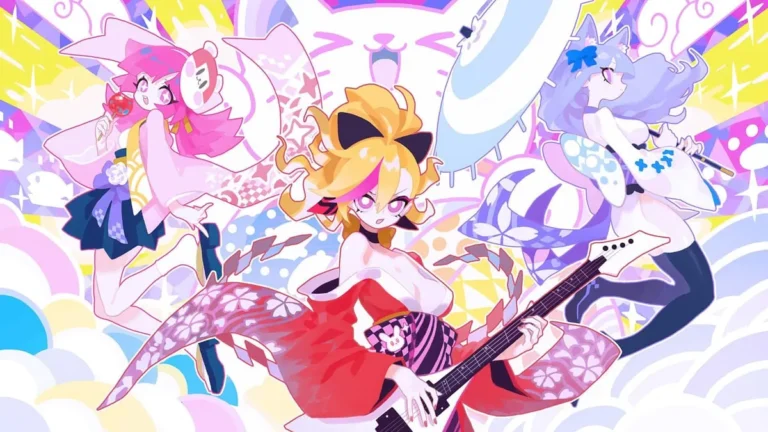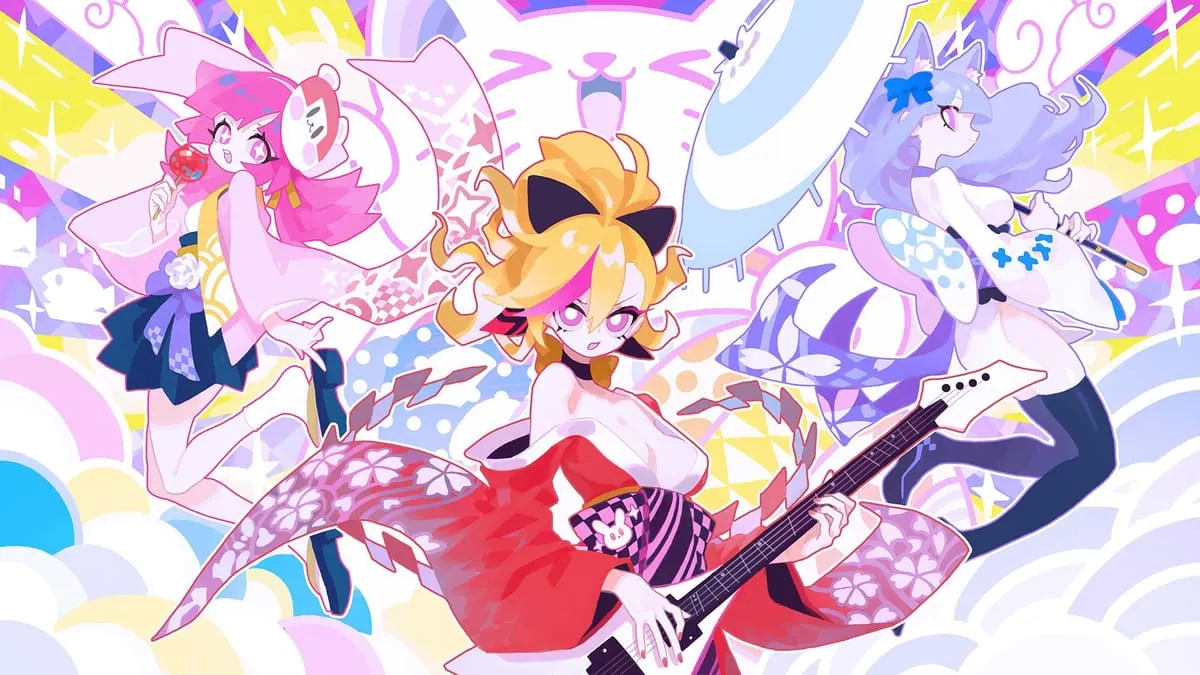
Muse Dash Screenshots
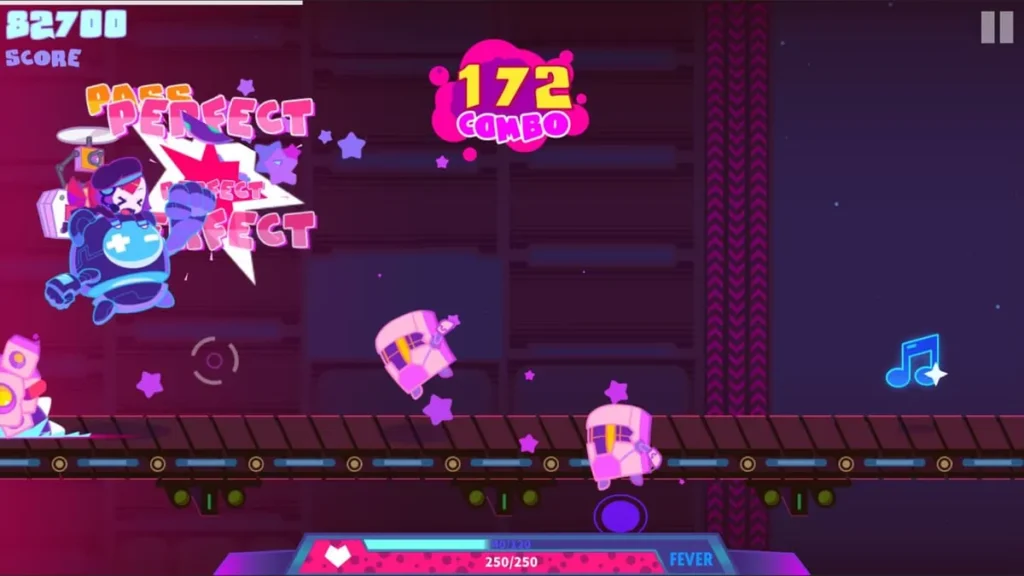
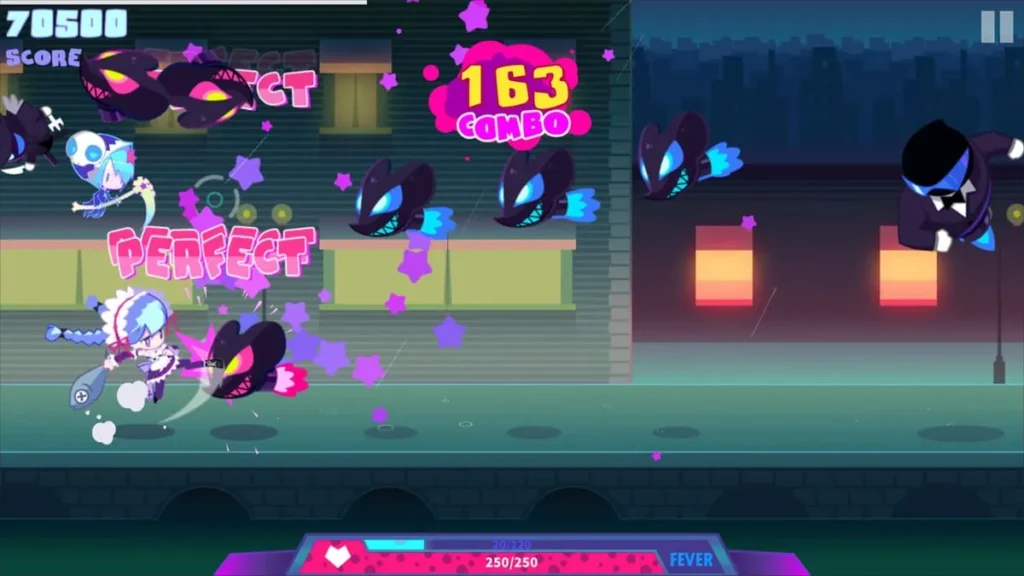
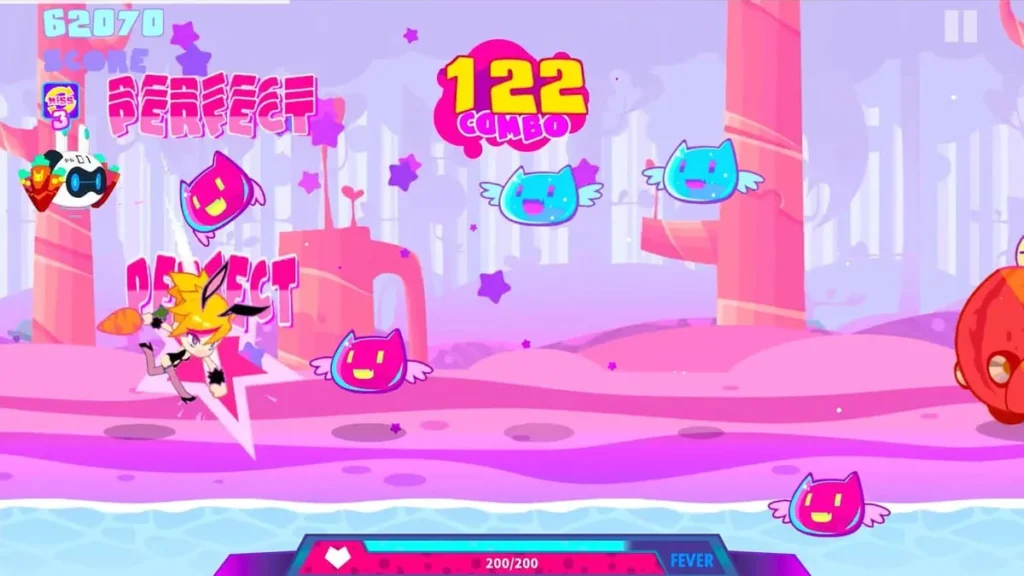
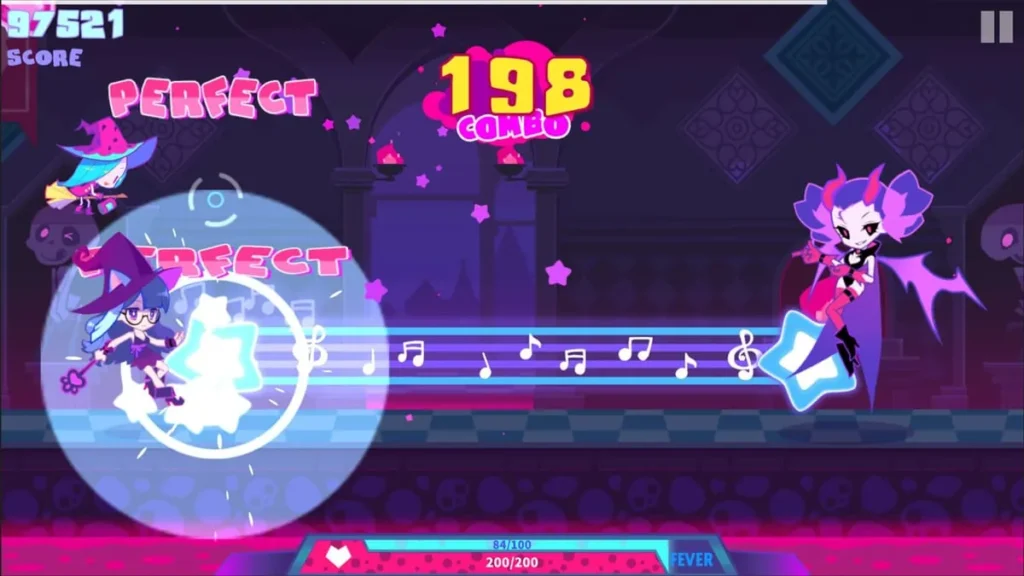
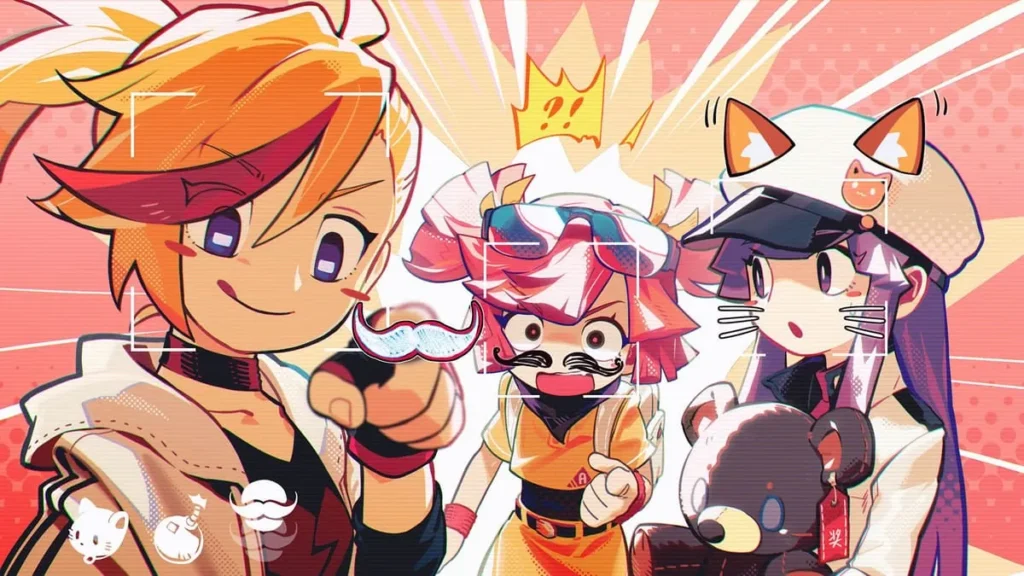
Muse Dash review
Dive into the addictive beat-matching adventure with cute characters and endless challenges
Imagine dashing through vibrant worlds, syncing your every move to pulsating beats in Muse Dash, the indie hit that’s captured hearts with its simple yet thrilling rhythm action. I’ve lost count of the hours I’ve spent tapping away as adorable high-schoolers like Rin battle enemies in perfect harmony with J-pop bangers. This game blends parkour precision with music mastery using just two buttons, making it accessible yet devilishly addictive. Whether you’re unlocking new tracks or chasing perfect combos, Muse Dash delivers non-stop excitement. Stick around as I share my personal journey, tips, and why it’s a must-play for rhythm fans.
What Makes Muse Dash Gameplay So Addictively Simple?
I remember the first time I tried Muse Dash gameplay. I was expecting the usual wall of arrows or a dense grid of notes, something that would take weeks to get a handle on. What I got instead was an instant, joyous rush of pure fun. My character sprinted automatically, the world a vibrant side-scroller, and enemies zipped toward me in time with an incredibly catchy tune. All I had to do was hit two buttons. That was it. Within minutes, I was completely hooked, and it was all because of that elegant, brilliant simplicity.
This isn’t just another rhythm action game; it’s a masterclass in accessible, addictive design. It strips away the intimidating complexity of the genre and delivers a core experience that’s easy to pick up but incredibly hard to put down. Let’s dive into what makes playing this game so irresistibly satisfying.
How Do the Two-Button Controls Revolutionize Rhythm Games? 🎮
The genius of how to play Muse Dash is all in its elegant restriction. You have one button for the ground (usually ‘Z’ or a left-side touch) and one button for the air/attack (usually ‘X’ or a right-side touch). Enemies and notes flow from the right side of the screen, perfectly synced to the music’s beat matching mechanics.
- Ground enemies require a tap of your ground button.
- Airborne enemies and notes need a press of your air/jump button.
- Ground hazards, like spikes or saws, must be jumped over by pressing the air button.
And that’s the entire language of the game. There are no chords, no holds, no complex directional inputs. This two button controls scheme is the heart and soul of the experience. It immediately lowers the barrier to entry, letting you focus on the most important part: feeling the rhythm. Your brain isn’t overwhelmed mapping colors to fingers or directions to lanes; it’s just syncing two actions to a beat. This creates a fantastic “flow state” where you stop thinking about the buttons and start feeling the music.
But don’t let the simplicity fool you. On higher difficulties, these two buttons become the instruments for a blisteringly fast symphony of inputs. The game takes that simple vocabulary and writes a complex novel with it, demanding split-second timing and flawless rhythm. To get you started on mastering this system, here are my top tips:
- Eyes on the Horizon: Don’t stare at your character. Look ahead at the approaching notes and enemies. This gives you precious extra milliseconds to prepare your timing.
- Listen, Don’t Just Watch: Your primary guide should be the music. The visual cues are there to help, but true mastery comes from internalizing the song’s rhythm. Tap your foot if it helps!
- The Jump is Your Dodge: Remember, the air button is also your jump. Use it proactively to avoid ground obstacles. Timing a jump over a saw while hitting an airborne note is a key skill.
- Start Slow to Go Fast: There’s no shame in the Easy mode. It’s the perfect training ground to understand song patterns and get comfortable with the core Muse Dash gameplay loop before the chaos of Hard or Master.
- Embrace the Touch Controls (on Mobile/Switch): The touch controls are exceptionally well-implemented. Using two or four fingers to tap the left and right sides of the screen can feel even more intuitive than buttons for some players. Experiment to see what clicks for you!
Mastering Combos, Fever Mode, and Boss Battles? ⚡
Once you’ve got the basic two button controls down, the real depth of this rhythm action game opens up. Your goal isn’t just to survive a song—it’s to dominate it with style and a sky-high score.
Building Muse Dash combos is essential. Every note you hit in succession adds to your combo multiplier. Miss one, and it resets. The pressure to maintain that combo, to achieve that coveted “Full Combo” clear, is a huge part of the addiction. There’s a special thrill in nailing a tough section and watching your combo counter climb, knowing your score is soaring with it.
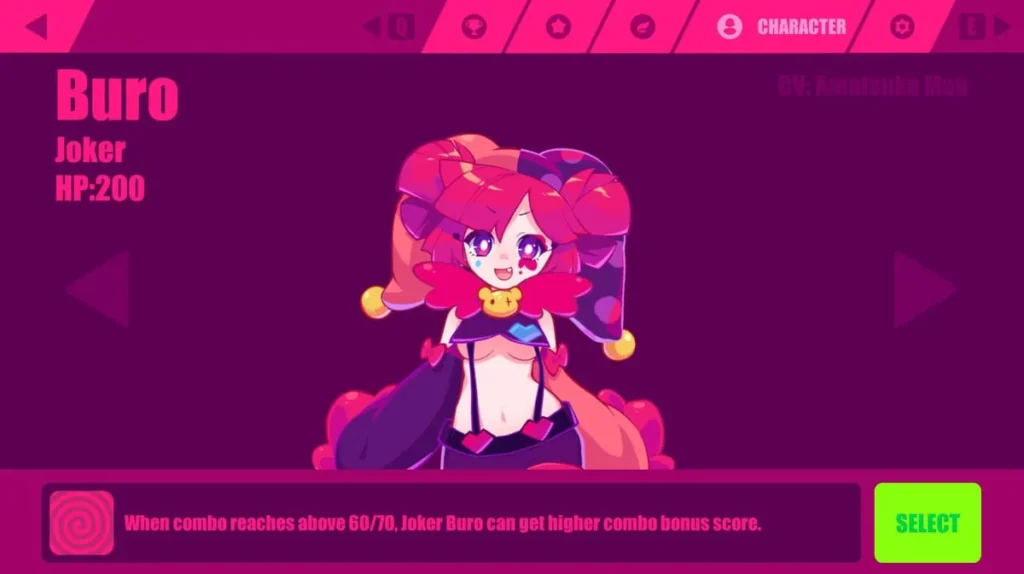
Then there’s the glorious Fever Mode Muse Dash system. By hitting notes consistently, you fill a meter at the top of the screen. Once full, you can activate Fever Mode! This isn’t just a visual flare; it’s a game-changer. The effects depend on your chosen character: some grant temporary invincibility, others a massive score multiplier, and some even auto-collect all the little “spirit” notes for you. Activating Fever Mode Muse Dash at the right moment—like during a dense cluster of notes—is a strategic decision that can make or break your high score run.
And just when you think you’ve got a song figured out, the game throws in a boss fight. 🎭 These happen at the end of certain levels and are a true test of your reflexes. Instead of the usual side-scrolling view, the screen often shifts, and you’re faced with a barrage of projectiles and patterns that require rapid, precise inputs. It’s a fantastic climax that turns the beat matching mechanics into an epic showdown.
Why Is Muse Dash More Forgiving Than Traditional Rhythm Titles? 💖
This is where Muse Dash gameplay truly shines for newcomers and veterans alike. In many traditional rhythm games, a few missed notes often means an immediate fail state. Muse Dash takes a kinder approach. You have a health bar. Miss a note or run into a hazard, and you lose a chunk of health. You only fail if that health bar empties completely.
This single design choice transforms the experience. It turns a session from a stressful test of perfection into an encouraging journey of improvement. You can make mistakes, learn from them, and still finish the song. I’ve had countless runs where I bungled the opening, sighed, but then thought, “Okay, I can recover. Let’s see how far I can get.” And more often than not, I’d push through, maybe even snag an A-rank. That feeling of “coming back from the brink” is incredibly rewarding and keeps you playing “just one more try.”
This forgiveness also enables unique challenge goals. The game often tasks you with clearing a song with exactly a certain number of misses, or by not jumping at all. Because survival is possible even with mistakes, these quirky, strict challenges become fun puzzles to solve rather than frustrating exercises in impossibility.
The progression is perfectly tuned, too. You start on Easy, get comfortable, and the lure of better scores and unlockable characters pulls you toward Hard. Then Master mode calls, presenting what feels like a whole new song with its insane note density. To help you plan your climb, here’s a breakdown of what to expect:
| Difficulty | Enemy & Note Speed | Score Multiplier | Unlock Potential & Notes |
|---|---|---|---|
| Easy 😌 | Slow & forgiving. Perfect for learning song patterns. | Base (1.0x) | Unlocks basic characters and songs. The essential training ground for how to play Muse Dash. |
| Hard 🔥 | Significantly faster. Introduizes more complex note patterns and obstacles. | Higher (e.g., 2.0x) | Unlocks the majority of content, including most characters and hidden stages. Where the core challenge and fun truly lies. |
| Master 👑 | Extremely fast, often with completely new, brutal note layouts. | Highest (e.g., 3.0x) | Unlocks elite characters, titles, and bragging rights. The ultimate test of your beat matching mechanics and reflexes. |
So, why does this simple, forgiving, two-button rhythm action game sink its hooks in so deep? Because it understands that joy comes first. It lets you play with the music immediately. The story isn’t in a cutscene; it’s in your personal grind against that one tough song on Master difficulty. It’s in the memory of finally nailing that section you always failed, triggering Fever Mode Muse Dash at the perfect moment, and seeing your name shoot up the leaderboard. It’s pure, unadulterated rhythm fun, unleashed.
And the best part? This is just the beginning of the adventure. With a huge library of songs, a cast of charming characters each with their own abilities, and a progression system that constantly rewards you, there’s always a new challenge waiting. Ready to see what lies beyond the basics? Let’s talk about building your ultimate playlist and mastering the metagame…
Muse Dash hooks you with its breezy two-button rhythm action, charming characters like Rin and Buro, and a killer soundtrack that begs for replays. From my endless sessions chasing combos and unlocking tracks, it’s clear this game nails accessibility while challenging pros on Master mode. Whether you’re dodging saws in Fever frenzy or grinding for that perfect skin, it delivers pure joy. Grab your device, pick a banger, and dash into the beat—your next high score awaits. What’s your favorite song? Dive in and find out why Muse Dash is an indie gem you won’t quit.