
How to Fix the Future
Play How to Fix the Future
How to Fix the Future Screenshots


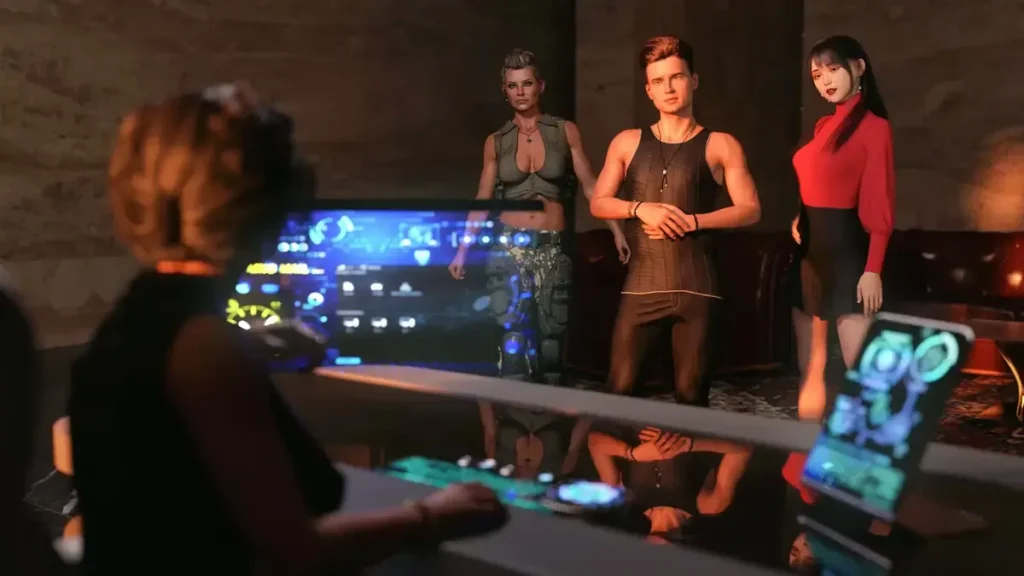
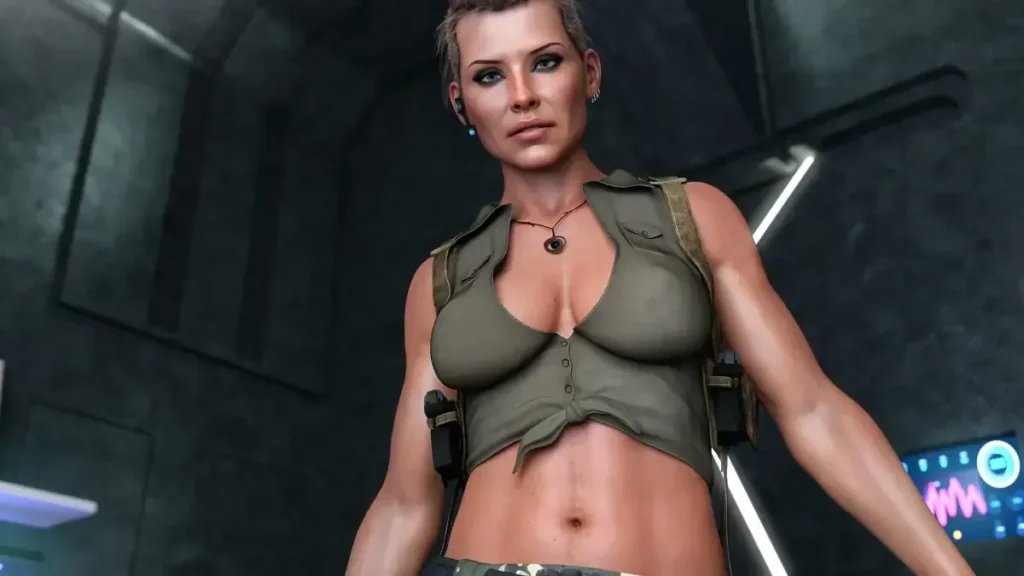






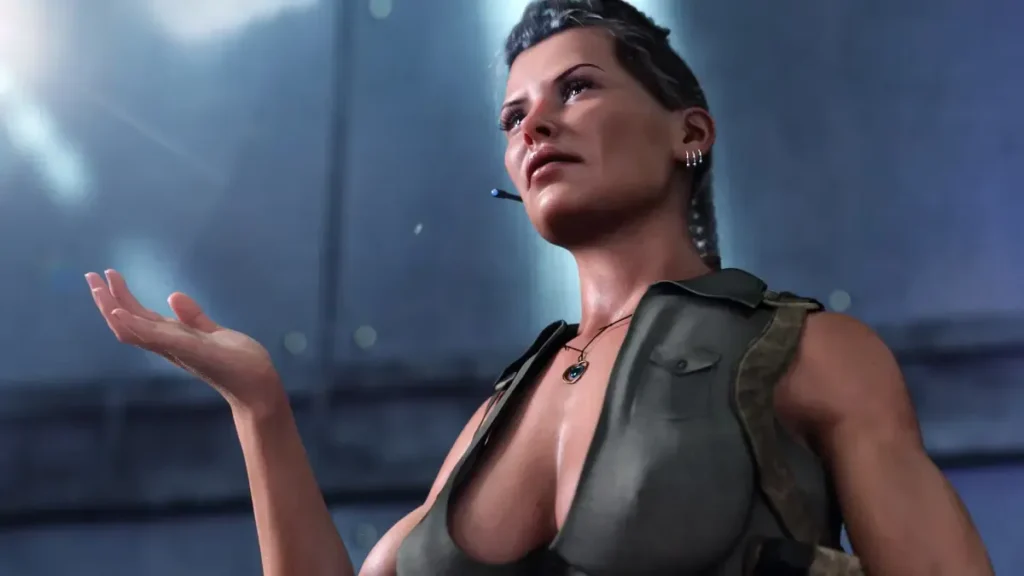





How to Fix the Future review
Master survival choices, relationship mechanics, and multiple endings in this nonlinear visual novel
How to Fix the Future stands out as a nonlinear survival story game that challenges players to navigate an unforgiving dystopian city where every decision matters. Developed by Incontinent Cell, this visual novel combines branching narrative paths with consequence-driven gameplay that can lead to 15 different main endings. Whether you’re new to the game or looking to unlock all endings, understanding the mechanics, character relationships, and choice systems is essential for a successful playthrough. This guide covers everything you need to know about mastering How to Fix the Future.
Understanding How to Fix the Future: Core Mechanics and Story
So, you’ve started playing How to Fix the Future and maybe, like I did on my first try, you’ve already gotten your character unceremoniously kicked out of their apartment or worse, arrested within the first hour. 😅 Welcome to the club! This isn’t your typical visual novel where you just pick the nicest dialogue option. Here, every whisper in a crowded street and every glance you share with a mysterious character can literally mean life or death. Let’s break down what makes this survival story game so gripping and how you can start mastering its unforgiving world.
What is How to Fix the Future and What Makes It Unique
At its heart, How to Fix the Future is a nonlinear visual novel mechanics masterpiece set in a stark, oppressive dystopia. You play as a citizen struggling to get by, and your goal is simply to survive while uncovering the city’s secrets. What sets it apart instantly is the absence of a safety net. There’s no reloading a save to try a different witty retort. Your choices are cemented into the story’s timeline the moment you make them.
I remember my first playthrough vividly. I treated the game like a book I could casually flip through. I was rude to a patrol officer thinking it would make me look tough. Big mistake. That single interaction triggered a chain of suspicion that led to my character being “questioned” by authorities—a permanent game over I couldn’t take back. That’s the core of How to Fix the Future gameplay: it’s a tense, psychological experience where your decisions have weight and permanence. The dystopian city survival isn’t just about scavenging for resources; it’s about navigating social traps, managing trust, and living with the consequences of your words.
The game’s structure is a web of branching paths rather than a straight line. Unlike traditional narratives, you might discover a crucial piece of information about the city’s corruption in one playthrough that you’ll never see in another, simply because you took a different bus route or decided to help a stranger. This nonlinear visual novel mechanics approach means the story is yours to uncover, for better or worse. 🕸️
Dialogue Choices and Their Permanent Consequences
This is where the game truly shines—or crushes your spirit, depending on your choices! The dialogue choices consequences are the engine of the entire experience. Every conversation is a potential pivot point. There are no highlighted “good” or “bad” options; you must read the subtext, understand the character you’re speaking to, and think about the environment you’re in.
Let’s talk about the most important relationship: your dynamic with June, the robot companion you encounter. The character relationship system here is not a simple meter that goes up or down with gifts. It’s woven into the narrative fabric. Treat June with kindness, patience, and respect, and she becomes a pivotal ally, unlocking new story branches, hidden locations, and crucial survival tips. Treat her poorly—dismiss her, be cruel, or treat her as mere property—and you will be soft-locked.
Pro Tip: The soft-lock isn’t a bug; it’s a narrative feature. Being persistently awful to June doesn’t just make her sad; it logically removes access to the help and information only she can provide, permanently closing off avenues in that playthrough. You can keep playing, but you’ve severed a key lifeline in this dystopian city survival scenario.
This permanence is what defines How to Fix the Future gameplay. The game autosaves constantly, weaving your choices directly into the ongoing save file. You can’t undo a moment of cruelty or a reckless accusation. This creates an unparalleled sense of tension and investment. You’re not just watching a story unfold; you are authoring it in real-time, and the pen, as they say, has no eraser. ✍️💔
Navigating the Dystopian City and Survival Elements
Survival in this city isn’t about managing a health bar or an inventory full of bandages. It’s a psychological and social battle. The survival story game elements are integrated into every dialogue and environmental interaction. Will you draw attention to yourself by arguing with a vendor, or will you stay quiet and accept a rotten deal to maintain a low profile? Your “survival” is measured in your freedom, your relationships, and your ability to move through the city unseen.
Each day presents new challenges and subtle choices that feed into the larger narrative. Taking a job from a shady character might bring you much-needed credits but could also entangle you with a criminal syndicate. Avoiding a protest might keep you safe, but you’ll miss the chance to meet a revolutionary who holds key secrets. This is the essence of How to Fix the Future gameplay—constantly balancing immediate needs against long-term consequences.
The atmosphere is a character in itself. The bleak, pixel-art streets, the ever-present surveillance, and the muffled sounds of discontent create a constant state of low-grade anxiety. Your goal is to navigate this space, making connections and gathering information without becoming a target. Will you survive to see another day, or will your actions lead to you getting caught by authorities? Perhaps your fate will be even more personal, like a character kidnapped ending where someone you care for pays the price for your curiosity. 😨
The 15 Endings: Where Your Path Concludes
With so many branching paths, your story has to end somewhere—and it has 15 different major conclusions to find. The How to Fix the Future endings range from bittersweet and hopeful to downright tragic and abrupt. They are direct report cards on your playstyle. Did you prioritize personal safety above all else? You might get an ending where you survive, but alone and ignorant of the truth. Did you fight the system recklessly? A “caught by authorities” ending likely awaits.
These conclusions aren’t random. They are the sum total of hundreds of micro-decisions. The game tracks your relationships, your moral alignment, your curiosity level, and even your luck. There are endings where you escape the city, endings where you become a symbol of change, and endings where you simply vanish into the urban decay. Discovering them all is the ultimate challenge of this nonlinear visual novel mechanics design.
To give you a clearer picture, here’s a breakdown of some core ending archetypes and what generally leads you down those paths:
| Ending Type | Common Triggers & Player Mindset | Narrative Outcome |
|---|---|---|
| Death / Arrest | Consistently confrontational behavior, failing to maintain a low profile, recklessly investigating authorities. | Your story ends abruptly by the state’s hand. A classic “caught by authorities” finale. |
| Character Kidnapped | Forming a deep bond but then failing to protect them, or making a selfish choice that sacrifices their safety. | A personal tragedy where a key ally is taken, leaving you alone in a now harsher world. |
| Lone Survivor | Prioritizing self-preservation above all else, being distrustful, and avoiding major plot threads. | You make it, but at the cost of connections and truth. A hollow, solitary survival. |
| Truth-Seeker | Relentless curiosity, kindness to June, building alliances, and taking calculated risks to uncover secrets. | You piece together the city’s dark history, leading to more nuanced, often hopeful conclusions. |
FAQ: Your Burning Questions Answered
Q: Are the choices really permanent? Can I undo a decision if I regret it?
A: Yes, they are truly permanent within a single playthrough. The game autosaves continuously to enforce this. You cannot rewind or undo a choice. If you want to explore a different path, you must start a new game. This is central to experiencing the tense dialogue choices consequences.
Q: What exactly is a “soft-lock,” and how do I avoid it?
A: A soft-lock is when you make a choice (or series of choices) that doesn’t end the game but permanently blocks access to significant story content or endings. The most common example is being consistently cruel to June. To avoid it, think of characters as real people with memory and agency. Burn a bridge, and it stays burned.
Q: Is there one “true” ending in How to Fix the Future?
A: Not really! The game champions the nonlinear visual novel mechanics philosophy. While some endings are more complete or reveal more of the lore (often those on the “Truth-Seeker” path), there is no single canon finale. Your journey and its conclusion are valid based on the choices you made. The richness is in experiencing multiple How to Fix the Future endings.
Q: How important is the relationship with June compared to other choices?
A: It is arguably the most important single relationship in the game. The character relationship system with her acts as a keystone for narrative branches. A positive relationship opens doors—sometimes literally. A negative one fundamentally limits what you can see and do, making your dystopian city survival much harder and lonelier.
Q: How long does it take to see all the content?
A: Given the 15 major endings and countless minor variations, it can take dozens of hours. A single playthrough might last 2-4 hours, but the magic is in replaying with different philosophies. Each run teaches you something new about the city’s rules and inhabitants.
Mastering How to Fix the Future is about embracing its philosophy. It’s not a puzzle to be solved, but a world to be lived in—a world where your words are your most powerful and dangerous tool. Pay attention, choose wisely, and remember: in this city, every future comes with a cost. 🏙️🔐
How to Fix the Future delivers a compelling survival experience where player agency directly shapes the narrative outcome. The game’s permanent dialogue system and consequence-driven gameplay create genuine tension and replayability, encouraging players to explore different character interactions and story paths. Understanding the relationship mechanics with June, recognizing how your choices affect survival outcomes, and knowing the various ending conditions are crucial for experiencing everything the game offers. Whether you’re aiming for a specific ending or simply enjoying the branching narrative, approaching How to Fix the Future with intentionality about your dialogue choices will enhance your overall experience. Start your journey into this dystopian world and discover how your decisions truly fix—or break—the future.