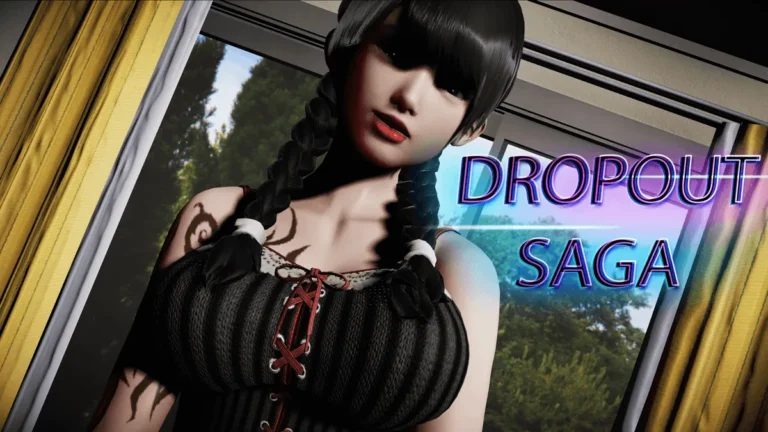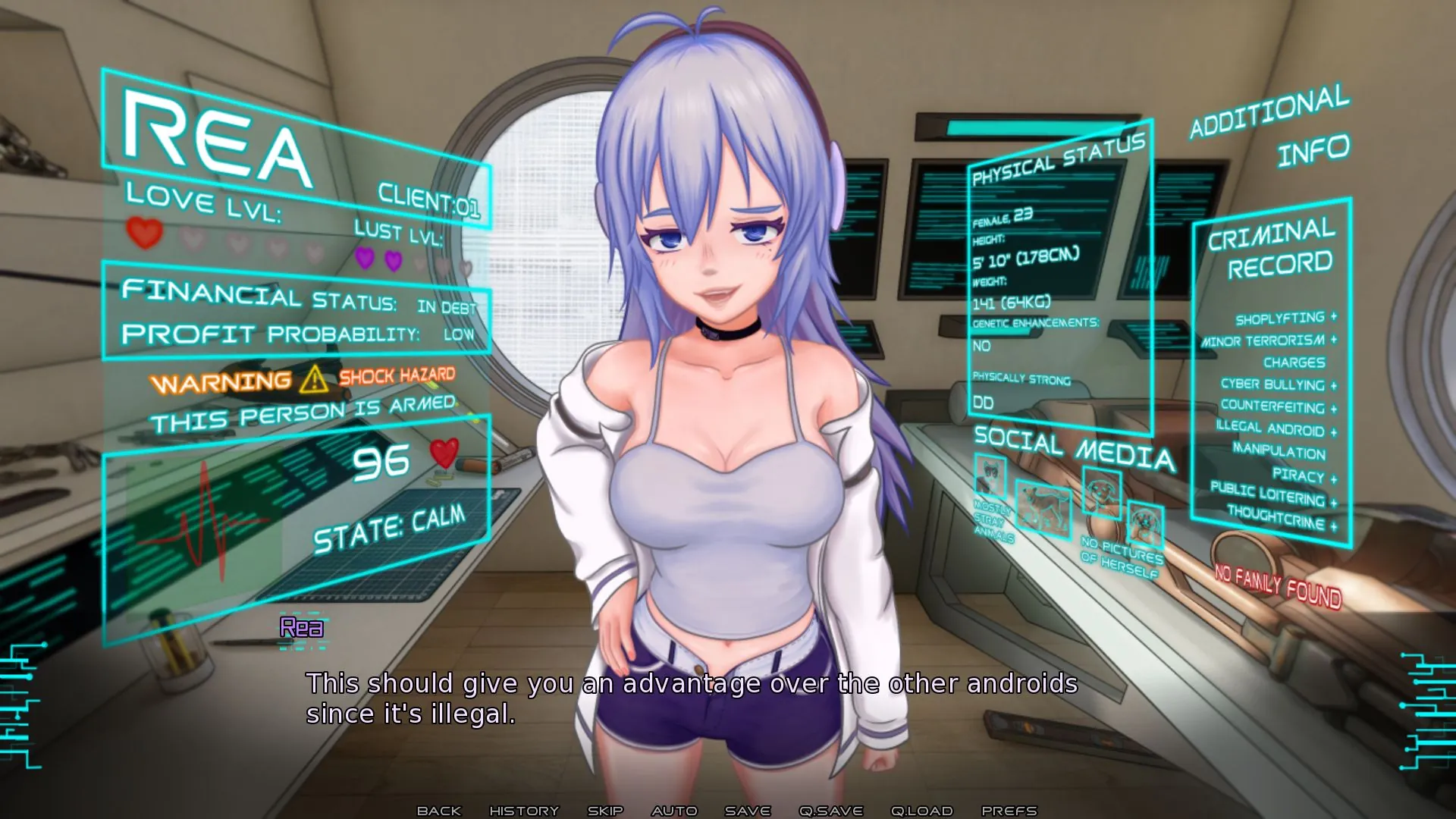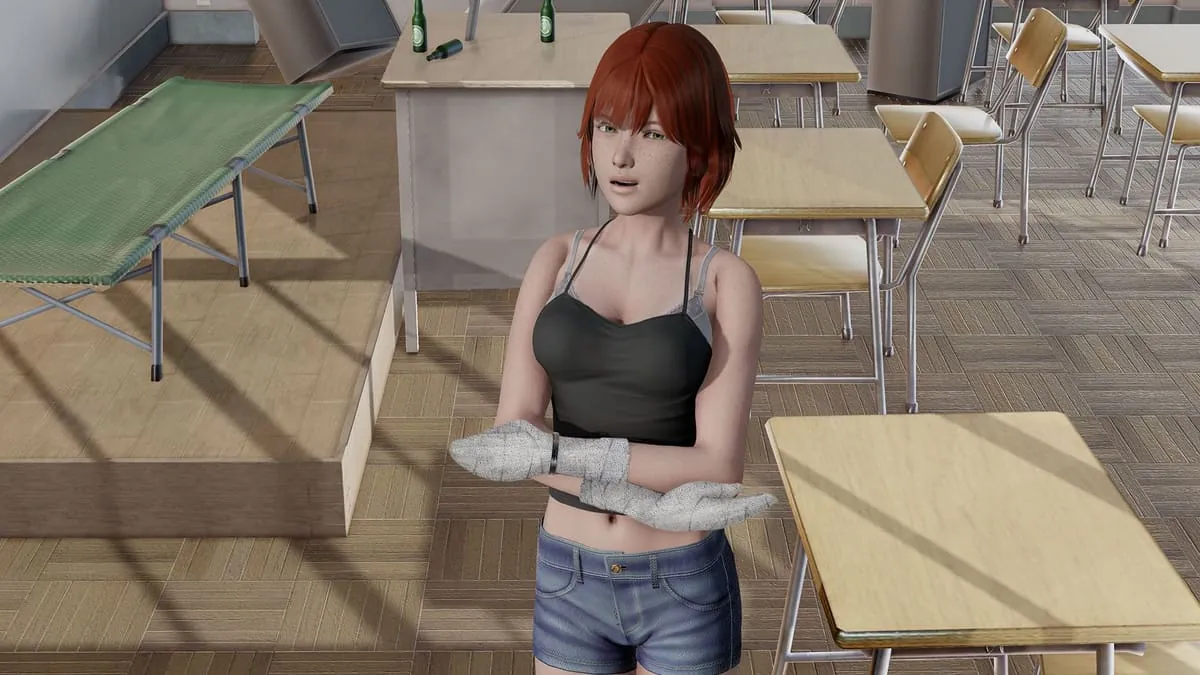
DropOut Saga
Play DropOut Saga
DropOut Saga Screenshots





















DropOut Saga review
Dive into immersive storytelling and thrilling choices in this standout interactive adventure
Hey there, fellow gamers—have you stumbled into the captivating world of DropOut Saga? This interactive gem blends gripping narratives with player-driven choices that keep you hooked for hours. I remember my first playthrough; I was up until 3 AM, heart racing through every twist. Whether you’re new or replaying for different endings, this guide uncovers everything from core mechanics to hidden secrets. Let’s explore why DropOut Saga stands out in interactive gaming and how you can master its immersive gameplay.
What Makes DropOut Saga a Must-Play?
I still remember the night I first downloaded DropOut Saga. I was scrolling through recommendations, looking for something more than just another tap-through story. The description promised choices that mattered, and I was skeptical. 🤨 How different could it really be? Two hours later, my phone battery was screaming in protest, and I was completely lost in the halls of the fictional Crestwood Academy. I hadn’t just been playing a game; I’d been arguing with fictional classmates, sweating over exam answers that felt weirdly real, and genuinely worrying about a digital character’s secret. That’s the magic trick DropOut Saga pulls off. So, what is DropOut Saga? It’s not just an app; it’s an invitation to live another life, where every decision sends ripples through a beautifully crafted world.
This DropOut Saga interactive game stands out because it masterfully blends the tension of a visual novel with the strategic depth of a role-playing game. If you’re tired of stories where your input doesn’t change the destination, this is your next obsession. Let’s dive into what makes this DropOut Saga gameplay experience so utterly captivating.
How Does the Storyline Hook You From the Start?
The DropOut Saga story doesn’t waste time. You’re immediately thrust into the shoes of a new student at Crestwood, an elite academy with a glossy reputation hiding a labyrinth of secrets, cliques, and personal dramas. Within the first few scenes, you’re not just learning about the setting—you’re making pivotal friends or rivals, uncovering a mysterious plot threatening the school, and defining your own personality through your responses.
The genius of the DropOut Saga story is its personal stakes. It’s not about saving the world; it’s about saving your reputation, your friendships, and your future. Will you be the diligent scholar, the rebellious troublemaker, the charismatic social butterfly, or a complex mix of all three? The narrative branches feel organic, not like obvious “good or evil” paths. A choice to help a struggling student study might earn you a loyal ally for a later crisis, while blowing them off to chase a romantic interest could close that door forever. 🚪
This DropOut Saga interactive game framework uses your early decisions to tailor the world around you. Characters remember your snubs and your kindness, and the dialogue adapts. I recall on my second playthrough, I was rude to a character named Leo in the tutorial. Hours later, when I needed a crucial piece of evidence, he folded his arms and said, “Why should I help you? You’ve never given me the time of day.” The DropOut Saga story had remembered, and I was forced to find a much harder, alternative path. That level of consequence is what transforms a good story into an unforgettable experience.
Key Gameplay Mechanics Explained
At its heart, DropOut Saga gameplay is a elegant dance between narrative choice and light tactical management. You’ll explore the school and its surroundings in a classic visual novel style, but layered on top are brilliant systems that give weight to your journey.
The core loop revolves around Stat Management and Interactive Scenarios. Your character has attributes like Intellect, Charm, Courage, and Reputation. These aren’t just numbers; they’re gatekeepers. Want to convincingly debate the school bully? You’ll need a high Intellect. Trying to smooth-talk your way out of detention? That’s Charm territory. Deciding to investigate a creepy, off-limits basement at midnight? That’s pure Courage. You build these stats by choosing how to spend your in-game time—studying in the library, socializing at events, or pursuing personal hobbies.
Then come the Interactive Decision Points. This isn’t about picking a pre-scripted flavor of dialogue. Many key moments in this DropOut Saga interactive game present you with a scenario and a timer, forcing you to think on your feet. Do you confront the headmaster with the evidence now, or secretly gather more intel and risk someone else getting hurt? The game presents the DropOut Saga choices without highlighting a “correct” option, making every click feel significant.
The Turn-Based Episode Structure is another masterstroke. The story unfolds in “days” or “episodes.” Each turn, you have a limited number of action points to spend on activities that raise stats, deepen relationships, or advance plots. It forces you to prioritize. You can’t be a perfect student, a party legend, and a master detective all in one run—and that’s the point! Your resource management directly shapes the person you become and the story you unlock.
To visualize how these mechanics translate into different experiences, here’s a look at how beginners and experts might approach the same DropOut Saga gameplay scenarios.
| Aspect | Beginner Playstyle | Expert Playstyle |
|---|---|---|
| Approach | Reactive, aims to please everyone, follows the most obvious plot thread. | Proactive, builds a specific character archetype early, pursues hidden plot flags. |
| Key Choices | Often chooses dialogue based on personal real-life preference. Spends action points evenly across all stats. | Makes choices to min-max key stats for a desired ending. Uses the “save/load” feature strategically to test choice outcomes. |
| Outcomes | May achieve a balanced but mediocre ending. Could miss entire character arcs or secret storylines. | Targets specific, rare endings (e.g., “True Scholar,” “Underworld Kingpin”). Unlocks deeply hidden narrative branches. |
| Tips | Don’t panic! Talk to everyone. Save your game in multiple slots at the start of each new chapter. | Read item descriptions and diary entries closely for clues. A low Reputation stat isn’t a failure—it’s a different story path. |
Why Player Choices Change Everything
This is the soul of the experience: DropOut Saga choices are not an illusion. They are the architects of your unique tale. The game operates on a hidden “Relationship and Consequence” engine that tracks far more than a simple morality meter. Every interaction adjusts your standing with individuals and factions, unlocks or locks future dialogue options, and sets flags that determine which narrative chapters you can even access.
The most thrilling proof of this is the vast array of DropOut Saga endings. We’re not talking about a “good, bad, and neutral” trio. There are dozens of conclusions, ranging from graduating as valedictorian with your chosen love interest, to being expelled and starting a rebellious tech startup with your outcast friends, to uncovering the academy’s dark secret and becoming its silent guardian. Your ending is a direct collage of every major decision you made.
Let me share a case study from my own plays. In my first run, I played “Myself”—kind, cautious, law-abiding. I aced my exams, became class president, and exposed the school’s financial corruption through proper channels. I got a satisfying, heroic ending. 🎓
For my second, I decided to be a rebellious schemer. I skipped class, hacked the school’s network (a mini-game challenge!), and blackmailed a teacher to cover my tracks. The entire story changed. Characters who were friends before now feared me. I unlocked seedy locations in town never mentioned in my first playthrough. My story ended with me taking over a student black market, rich and powerful but utterly alone. The DropOut Saga endings were polar opposites, built from hundreds of small, cumulative DropOut Saga choices.
A pivotal moment that haunts me is the “Library Incident” in Episode 7. You catch a friend stealing a rare book. The game gives you options: cover for them, confront them quietly, or immediately report them. I chose to cover for them, thinking I was securing a loyal ally. This single act of mercy later meant that friend helped me escape a deadly trap, a trap that was set because I hadn’t reported the theft and allowed a larger conspiracy to progress. The game had connected dots I didn’t even see, making me feel both clever and deeply responsible.
For newcomers, here is your essential DropOut Saga beginner guide:
* Embrace Your First Playthrough: Go in blind. Make choices that feel right to you. The magic is in experiencing the consequences unfold naturally.
* Save Relentlessly: Before any major decision or at the start of a new in-game day, save to a new slot. This is your most powerful tool.
* Read Everything: Click on background objects, read your character’s journal updates. The DropOut Saga story hides vital clues in plain sight.
* Don’t Fear Failure: Missing a stat check or making a “bad” choice often leads to the most interesting, unexpected story branches. There’s no true “game over.”
* Specialize Your Stats: Early on, pick 2-3 core stats to focus on. A specialized character unlocks more unique content than a jack-of-all-trades.
* Replay is the Real Game: Your second playthrough is where DropOut Saga shines. Use your meta-knowledge to craft a wildly different tale and chase those alternate DropOut Saga endings.
Ultimately, DropOut Saga is a landmark in interactive storytelling. It proves that DropOut Saga gameplay can be deeply strategic while remaining emotionally resonant. Its DropOut Saga story is a flexible narrative that truly belongs to you. If you’re ready for an adventure where your voice matters, where every choice carves your unique path, and where the journey is different every time you play, then your next great DropOut Saga interactive game session awaits. Now, go on—Crestwood Academy is waiting to see who you’ll become. 😉
- Pro Tip 1: When a choice seems trivial (like what to eat for lunch), it might be building a subtle character trait that influences a major check later.
- Pro Tip 2: Pay close attention to character outfits and backgrounds—changes often signal a shift in their story or mood you can interact with.
- Pro Tip 3: If you’re stuck, re-examine old locations. New story chapters often activate new interactive elements in previous areas.
- Pro Tip 4: The “affinity” sounds (a subtle chime for positive, a dissonant tone for negative) when you make a choice are great immediate feedback, but trust the long-term narrative over them.
- Pro Tip 5: For a truly unique run, commit fully to a role-play concept from the start (e.g., “the pacifist,” “the gossip,” “the lone wolf”) and make every choice align with it, no matter how hard.
There you have it—DropOut Saga delivers an unforgettable mix of story, choices, and replayability that keeps players coming back. From my own late-night sessions to uncovering wild alternate paths, it’s clear this game nails immersive interactive fun. Whether you’re chasing the perfect ending or just diving in, grab it now and start your saga. What’s your first big choice going to be? Share in the comments and let’s swap stories!