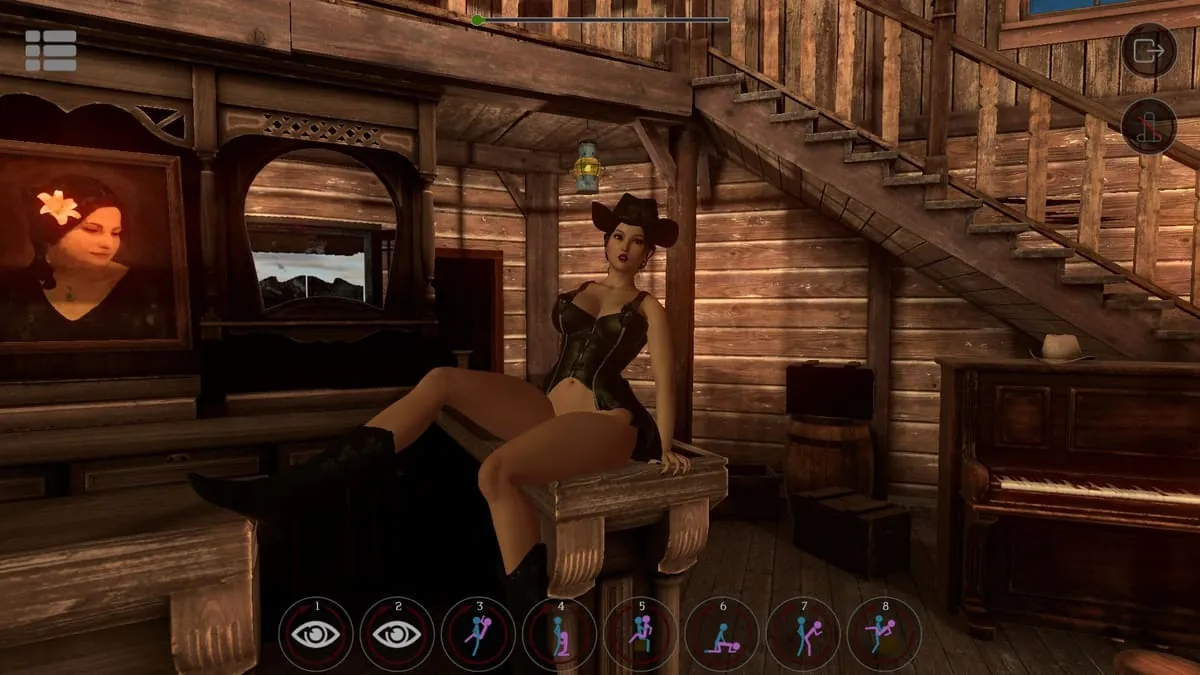
Connected
Play Connected
Connected Screenshots






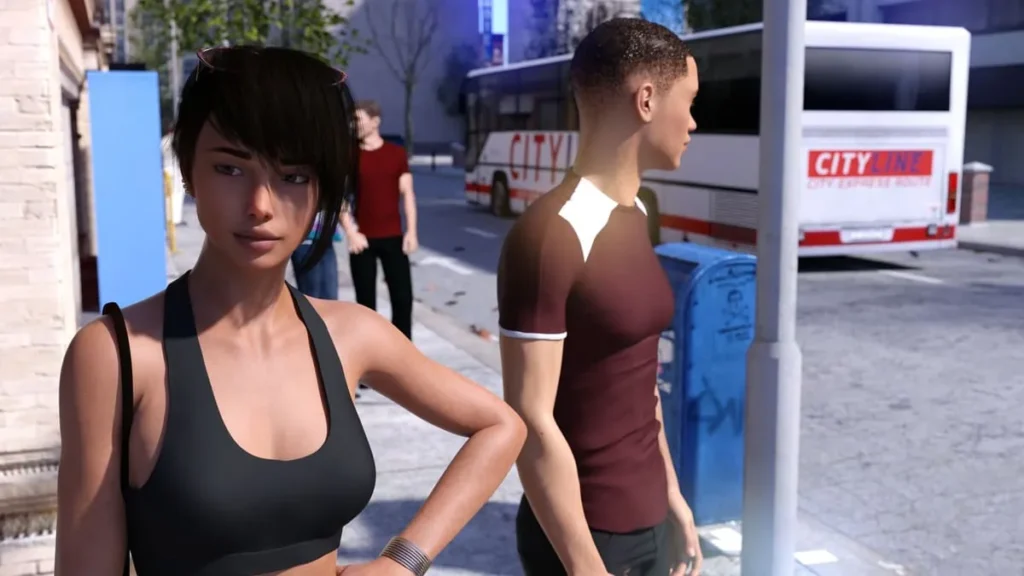

Connected review
Everything you need to know about the Connected interactive experience
Connected has emerged as a notable title in the interactive gaming landscape, offering players a unique blend of mechanics and engagement. Whether you’re curious about what makes this game stand out or looking to understand its core features, this guide covers everything from gameplay fundamentals to community insights. Connected represents a shift in how adult-oriented games approach player interaction and narrative depth. Understanding its mechanics, features, and what players appreciate about it can help you determine if it’s the right experience for you. This comprehensive guide explores the game’s standout elements and what sets it apart in a crowded market.
Understanding Connected: Game Overview and Core Mechanics
So, you’ve heard the buzz about Connected and you’re wondering what all the fuss is about. Maybe you’re tired of games where your choices don’t matter, or stories that feel like you’re just along for the ride. 🤔 I was right there with you. Then I booted up Connected and spent an entire weekend lost in its world, realizing this wasn’t just another game—it was a conversation. Forget passive entertainment; this is an experience built on the profound idea that every word, every glance, and every decision genuinely shapes the world around you. Let’s dive into what makes this interactive experience a landmark title.
### What Makes Connected Different in Interactive Gaming
At its heart, Connected isn’t just a game you play; it’s a world you inhabit and co-author. While many games offer “choices,” Connected makes you feel the weight of them in a way that’s both intimate and far-reaching. 🪐 Unlike traditional RPGs where you might just be picking a flavor of dialogue, or visual novels with linear paths, Connected operates on a dynamic web of cause and effect. It’s the difference between watching a play and being the director, playwright, and lead actor all at once.
What truly sets it apart is its commitment to authentic consequence. In my first playthrough, I made an off-hand, slightly sarcastic remark to a character named Leo in the second chapter. I didn’t think much of it—just roleplaying my grumpy character. Fast forward ten hours, and that same remark became the core reason a major alliance fractured. The game remembered, and the world reacted. This level of narrative persistence is what defines the Connected interactive experience. It’s built for players who crave agency and emotional resonance, not just a series of tasks to complete.
The game brilliantly balances its interactive gameplay features with a cinematic story. You won’t find tedious grinding for experience points here. Instead, your “progression” is measured through the depth of your relationships, the secrets you uncover, and the state of the game’s central hub, the Nexus. It’s a refreshing approach that places story and connection above all else, making it perfect for both seasoned gamers and those who just love a good, participatory story.
### Core Gameplay Mechanics and Player Interaction
Let’s get into the nuts and bolts. The Connected game mechanics are elegantly designed to keep you immersed in the story while giving you palpable control. The interface is clean, but beneath it lies a complex system of interconnected gears.
The primary tool for interaction is the dialogue tree mechanics. But calling it a “tree” is almost an understatement; it’s more of a dialogue “ecosystem.” 🎭 Choices aren’t simply labeled “Good,” “Neutral,” or “Evil.” Instead, they reflect tone, intention, and vulnerability. You might choose to be “Direct,” “Empathetic,” “Analytical,” or “Reserved.” Each approach influences how characters perceive you and opens or closes future pathways. This system removes the meta-gaming urge to just pick the “nice” option and encourages genuine role-playing.
This feeds directly into the brilliant character relationship system. Every major character has a dynamic affinity meter that isn’t just a simple number. It’s a multi-faceted profile tracking things like Trust, Respect, Curiosity, and even Fear. Helping a character with a personal mission might boost Trust, while brilliantly solving a puzzle they’re struggling with could increase Respect. I’ve seen players get completely different scenes based not on how high their affinity was, but on which aspect of it was strongest. It’s a system that acknowledges relationships are complex.
Your growth is tracked through a subtle but impactful player progression system. You don’t gain “levels” in a traditional sense. Instead, you earn Influence Points and Insight. Influence is used to unlock new dialogue approaches or special actions during key scenes, while Insight is gained from deep conversations and exploring, which unveils more background information and hidden narrative layers in the world. It’s progression that makes you feel wiser and more connected, not just more powerful.
Pro Tip from a Player: Don’t rush through conversations. The timing of your responses in Connected‘s dialogue system can sometimes matter as much as the choice itself. A hesitant pause before answering can be read as suspicion or doubt by other characters!
To see these interactive gameplay features in action, let’s look at a real-world example.
Example: The Art Gallery Heist
Early in the game, you and your ally, Jordan, are planning to retrieve a data chip from a secured gallery. The sequence isn’t a simple stealth mission.
* Phase 1 – Planning: You discuss the approach. The dialogue tree mechanics offer options: a direct frontal hack (Technical), creating a distraction (Creative), or using social engineering to get invites (Social). Your choice here determines the core gameplay of the next phase.
* Phase 2 – Execution: If you chose the Social path, you’re at a gala. You must mingle, using conversation to keep security occupied. Here, your character relationship system with Jordan kicks in. If your Respect with them is high, they’ll smoothly back up your lies. If Trust is low, they might hesitate, drawing unwanted attention.
* Phase 3 – Consequence: Success isn’t binary. You might get the chip but leave Jordan feeling exposed and angry (damaging Trust). Or, you might fail to get the chip but forge a stronger bond through a shared, chaotic escape (boosting Respect). This creates immediate branching narrative choices for the next story beat: do you focus on repairing the relationship or finding an alternative path to the chip?
Now, let’s see how these core Connected game mechanics stack up against other titles in the genre.
| Feature | Connected | Typical Visual Novel | Traditional Choice-Based RPG |
|---|---|---|---|
| Dialogue Impact | Shapes character affinity, plot branches, and world state dynamically | Usually leads to one of a few predetermined endings | Often changes companion approval and some major plot flags |
| Relationship System | Multi-faceted (Trust, Respect, etc.); influences scene availability & character behavior | Simple “love point” system for romance routes | Single-axis approval/disapproval meter |
| Player Progression | Influence & Insight; unlocks narrative options and understanding | Minimal; often tied to story progression only | Skill points & levels; unlocks combat or skill-check options |
| Consequence Realism | Delayed, cascading effects; small choices can resurface hours later | Immediate, short-term consequences | Usually clear, immediate “point of no return” moments |
| Pacing & “Grind” | Zero traditional grind; progression tied to engagement with story & characters | No grind, but can involve repetitive reads for different endings | Often requires combat or task repetition to level up |
### Story, Narrative, and Character Development
This is where Connected truly shines like a beacon. The narrative isn’t a path you walk—it’s a garden you cultivate. The much-talked-about branching narrative choices are so meticulously woven that it can feel like you’re writing your own novel. ✍️ We’re not talking about a “good path” and a “bad path.” We’re talking about nuanced variations where you might become a compassionate leader, a ruthless pragmatist, a secretive manipulator, or a reluctant hero. The game’s central mystery adapts to your approach, with characters sharing different clues and forming different theories based on how you behave.
The character relationship system is the soul of this narrative. Characters in Connected have their own lives, schedules, and problems that continue off-screen. I remember once canceling plans with the tech-expert character, Nia, to pursue a main story clue. Later, she was distant and a crucial piece of tech support was more expensive because I’d damaged our friendship. Their personalities evolve based on your interactions, and their relationships with each other can change based on your actions, creating a living, breathing social network.
This all means there is no single “Connected game guide” to a perfect playthrough, and that’s the point. A guide can list outcomes, but it can’t tell you which set of outcomes will be most meaningful to you. The best advice is to play authentically the first time. Let your instincts guide those branching narrative choices. Then, for a second playthrough, use a guide to see the stunning breadth of what you missed. You’ll be shocked by how different the story can feel.
The balance is masterful. You’re never pulled away from the emotional stakes for a mundane fetch quest. Every activity, every conversation, feeds back into the core themes of connection, identity, and consequence. The player progression system of gaining Insight directly mirrors your own growing understanding as a player, creating a beautiful synergy between you and your avatar.
Connected is available on all major platforms—PC, PlayStation, Xbox, and Nintendo Switch—and includes robust accessibility features like extensive text scaling, colorblind modes, and customizable subtitle settings, ensuring everyone can enjoy this narrative journey. 🎮
Its target audience is broad: from narrative adventurers who loved interactive dramas, to RPG fans who crave deep world-building, and even to people who might not consider themselves “gamers” but love a compelling, choose-your-own-adventure story. It appeals because it respects your intelligence and your time, offering an experience where your presence is the most important feature.
In the end, Connected stands as a landmark because of its unified vision. Every mechanic, from the dialogue tree mechanics to the character relationship system, exists to serve one goal: to make you feel truly Connected. It’s an invitation to a world that listens, reacts, and remembers, proving that the most powerful stories aren’t just told—they’re built together.
Connected represents a thoughtful approach to interactive gaming that balances narrative depth with engaging mechanics. The game’s emphasis on player choice, character relationships, and meaningful progression has resonated with players seeking more than surface-level entertainment. Whether you’re drawn to the story-driven experience, the relationship-building systems, or the interactive elements, Connected offers a comprehensive package that rewards engagement and exploration. For those considering diving in, the game delivers on its promise of meaningful choices and character development. The community continues to grow as more players discover what makes Connected a standout title in its space. If you’re looking for an interactive experience that respects your time and offers genuine player agency, Connected is worth exploring.